
In brief
- Progress is only measured as well as the method behind it, so a claimed percentage without a survey, checklist or quantity take-off is an opinion.
- Overstated completion hides remaining work and lets later trades start on unfinished structure, which is harder and costlier to correct than to prevent.
- A client can close the gap by agreeing the measurement method before work starts and walking the site against the records before each payment.
Contents
Progress measurement experience gaps in Burao put projects at risk because a percentage claimed without a defined method, records or a site check can overstate how much work is finished. Money then moves against work that is not there.
What does a progress measurement experience gap look like on a Burao site?
The gap shows as a number with nothing behind it: a high completion figure with no drawing marked up, no measured quantities and no checklist signed at the work front.
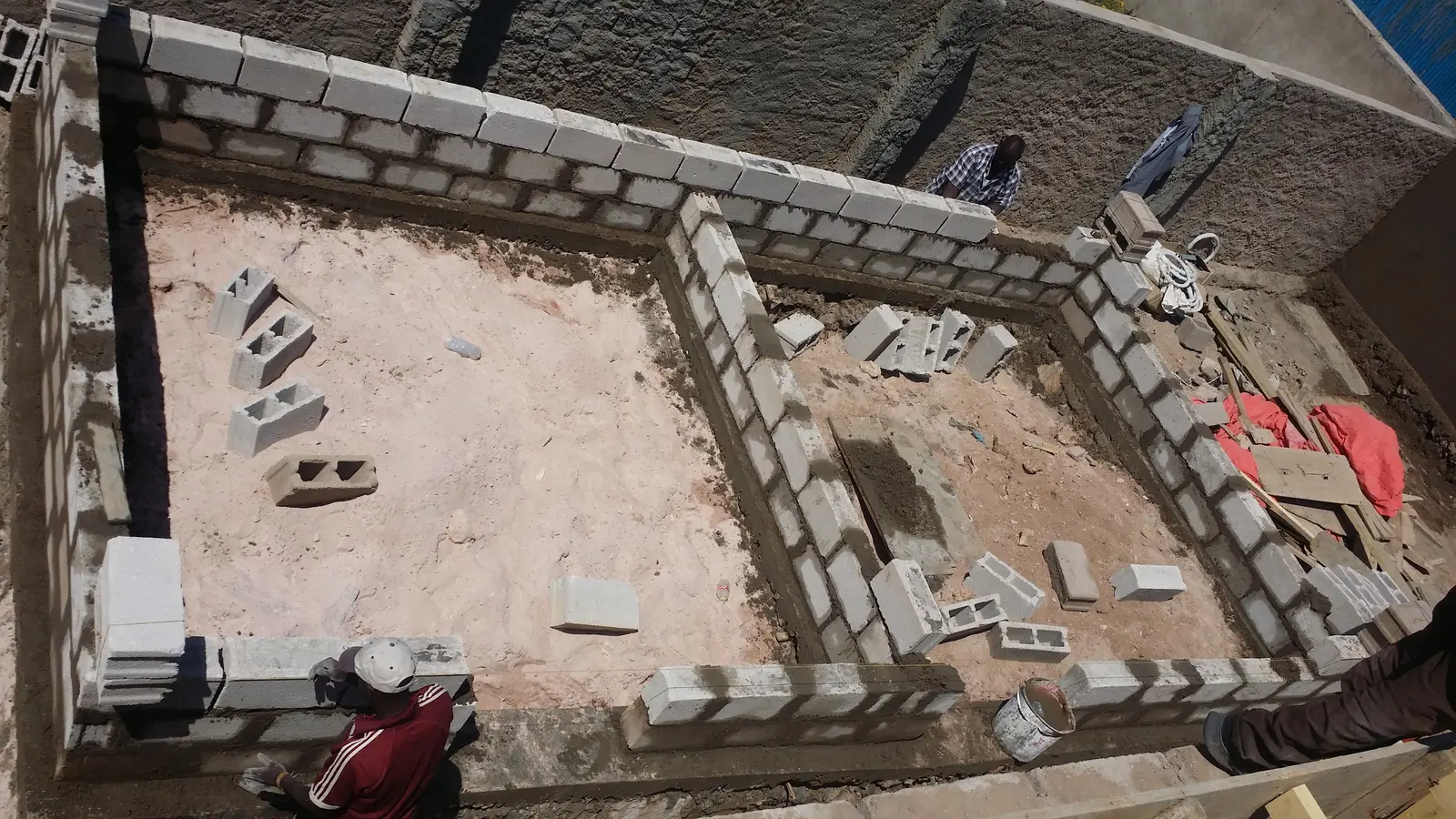
A supervisor with progress measurement experience measures against something fixed. They count what is built: cubic metres poured, square metres of blockwork laid, linear metres of pipe bedded, doors hung and ironmongery fitted. They mark the current position on a drawing and date it. They keep a running quantity take-off from the bills of quantities so a percentage means something specific.
Where that experience is thin, the number is built from memory or from what the crew reports after the shift. The two can differ from the physical work. Ask the site supervisor to show the measurement sheet, the marked drawing and the date. If the percentage cannot be traced to those, treat it as a claim to verify on site, not a fact to pay against.
How does overstated completion create execution risk?
Overstated completion pulls later trades onto work that is not ready, and the correction costs more than the original work.
A floor claimed as finished before curing draws traffic, block stacks or mortar mixing. A slab called complete before the pour has gained strength gets loaded. Blockwork reported as finished while lintels are missing leaves openings that cannot take frames. Roof sheets counted before purlins are fixed leave a covering that lifts in the next strong wind.
The second effect is that remaining work disappears from the plan. If a task reads as nearly done, no one schedules the last part, and that last part is often the slow work: setting out, small pours, sealing, testing. The finishing trades arrive to a site with no clean access and no completed substrate, so they wait or improvise.
A third effect is money. Payment against an overstated claim leaves less in the budget for the work still ahead, and the gap surfaces when there is least room to absorb it.
How do you check progress measurement ability before and during the job?
Check the method at tender and the records on site. Both take an afternoon and a set of drawings.
Before award, ask the bidder to describe how they will measure progress each month, what records they will keep and who signs them. A competent answer names the unit of measure for each trade, the drawing or take-off it comes from, and the person responsible. Vague answers are a signal to price the risk into supervision.
During the job, walk the work front against the claim. Pick three items from the latest progress report. Go to the location, measure one yourself with a tape, and compare it with the sheet. Ask the supervisor to show the previous month's sheet and how the figure moved.
Check the supporting records: concrete pour cards, reinforcement inspection notes, delivery notes for blocks and cement, and the site diary. Ask the municipal engineer's office whether it holds records or inspection notes for the plot that touch on the work. Where a laboratory has tested cube samples, ask for the results and check they match the pours claimed. Confirm the project specification's own hold points and sign-off requirements with the engineer, because those govern what counts as complete.
Where the contractor's team lacks the skill, agree a simple regime instead of assuming it will appear: a marked-up drawing per trade, a monthly quantity sheet, a joint walk with the client's representative, and a signature on both sides. Keep the method in the contract.
What to do next
Pick the latest progress report and select three claimed items. Walk the site with a tape and the current drawing, measure each one, and write the measured figure beside the claimed figure. Take the result to the engineer or the client's representative. Where the two differ, agree in writing how progress will be measured and signed off before the next payment application. Check what the contract allows before changing the payment position.
Frequently asked questions
Can a progress percentage be checked without a quantity surveyor?
Yes. A supervisor with a tape, the current drawing and a simple quantity sheet can check the main items. Measure blockwork runs, slab areas, pipe lengths and door counts, then compare them with the claimed figures. For complex bills of quantities, ask the engineer or a quantity surveyor to verify the take-off.
What records should a contractor keep for monthly progress?
General practice is a marked-up drawing per trade, a running quantity sheet, dated site diary entries, delivery notes for materials and inspection records for covered work. Confirm the exact list in the project specification and agree with the engineer who signs each record.
Local reporting: this article is written for building work in Burao and Somaliland. Ground conditions, prices and rules differ between places; confirm the details for your own site.