
In brief
- TradeMark Africa's project page states that the case for the Hargeisa Bypass rested on freight traffic passing through crowded city streets, with consignments threading through Hargeisa and minor interruptions causing long delays.
- The source lists a 22.5 km bypass funded by the UK's Prosperity Fund, delivered by TradeMark Africa with Somaliland's Ministry of Transport and Roads Development, and reports construction complete in 2023.
- The page's benefits and its 38% transit-time reduction are implementer claims, and the source does not attribute corridor-wide change to the bypass alone.
Contents
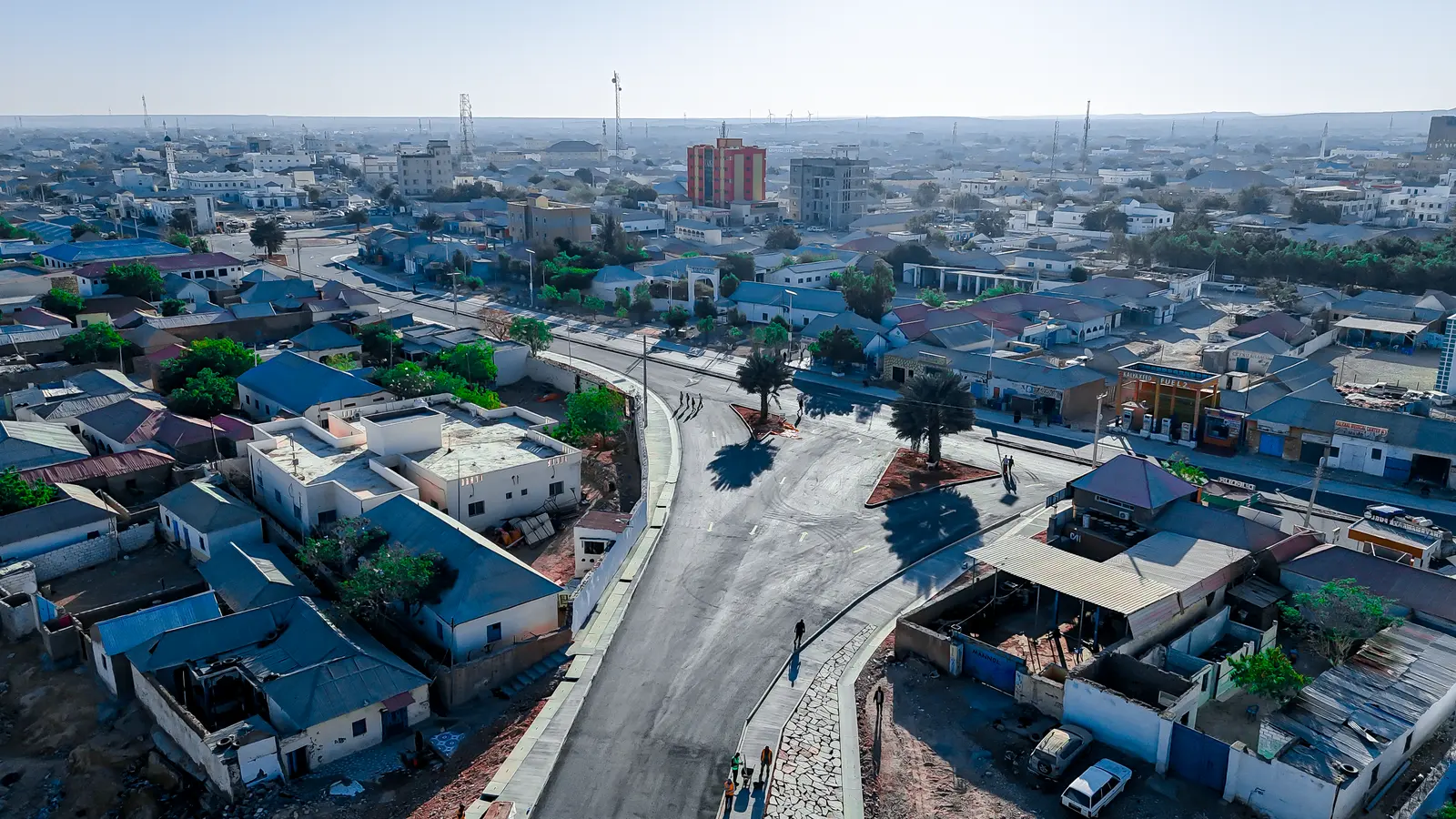
TradeMark Africa's project page for the Hargeisa Bypass states that every import and export consignment on the Berbera corridor threaded through Hargeisa's crowded streets, with minor interruptions causing long delays, higher vehicle-operating costs, safety risks and avoidable urban pollution. The page covers the 2020 to 2023 implementation period and reports construction complete in 2023.
What the source records
The page describes Hargeisa as the corridor's main chokepoint and sets out the case for a 22.5 km bypass funded by the UK's Prosperity Fund, delivered by TradeMark Africa with Somaliland's Ministry of Transport and Roads Development. It names civil works by COCC-GCI, design and supervision by Kagga & Partners, and an Endline Berbera Corridor Study dated August 2023 reporting transit times along the corridor down 38%, credited in part to the bypass. See TradeMark Africa.
What it means on site
A bypass helps only if heavy vehicles can actually reach it. For anyone pricing or planning works near Hargeisa, the source points to the interface between the new road and the existing street network: check how trucks enter and leave the bypass, where they queue, and whether local access roads and junctions can carry them. The source says a baseline traffic study set current volumes and projected socio-economic benefits as a yardstick for measuring impact, so before and after counts are the record that shows whether diversion worked, rather than the road's presence alone.
What the source does not establish
The page is an implementer's retrospective and undated as a page; its stated period is 2020 to 2023 and its evidence type is a report by the delivery organisation. Benefits, including freed urban space, cleaner air and new jobs, are implementer claims, and the 38% corridor figure comes from a study the same programme commissioned. Corridor-wide change cannot be attributed solely to the bypass, and the source records nothing about how the road or its junctions perform today.
What to do next
Ask the Ministry of Transport and Roads Development for the bypass as-built drawings, junction layouts and the traffic counts taken after opening. Ask TradeMark Africa's infrastructure team for the baseline traffic study and the August 2023 endline report.
Frequently asked questions
Who funded and delivered the Hargeisa Bypass?
TradeMark Africa's project page says the UK's Prosperity Fund provided financing for the 22.5 km bypass, delivered by TradeMark Africa in partnership with Somaliland's Ministry of Transport and Roads Development, with civil works by COCC-GCI and design and supervision by Kagga & Partners.
Is the 38% transit-time reduction proved to come from the bypass?
The page reports transit times along the Berbera Corridor down 38%, credited in part to the bypass, citing an Endline Berbera Corridor Study dated August 2023. The source is the implementer's own report, and the drop cannot be attributed to the bypass alone.
Sources
Local reporting: this article is written for building work in Hargeisa and Somaliland. Ground conditions, prices and rules differ between places; confirm the details for your own site.