
In brief
- Record who took each soil sample, the depth, the location and the date, because a test result without that chain means little.
- Ask the laboratory for its method and rate in writing, and ask the municipal engineer's office whether it holds borehole or test pit records for the plot.
- Match the foundation design to the written report before ordering concrete, and keep a copy on site.
Contents
A soil sample on a Hargeisa build is only as good as its chain of custody. The person who takes it must log the plot corner or grid reference, the depth, the date and the sampler's name, then seal and label the bag before it leaves the site. Without that record, a laboratory result cannot be tied to a foundation decision.
Who should take and log the sample?
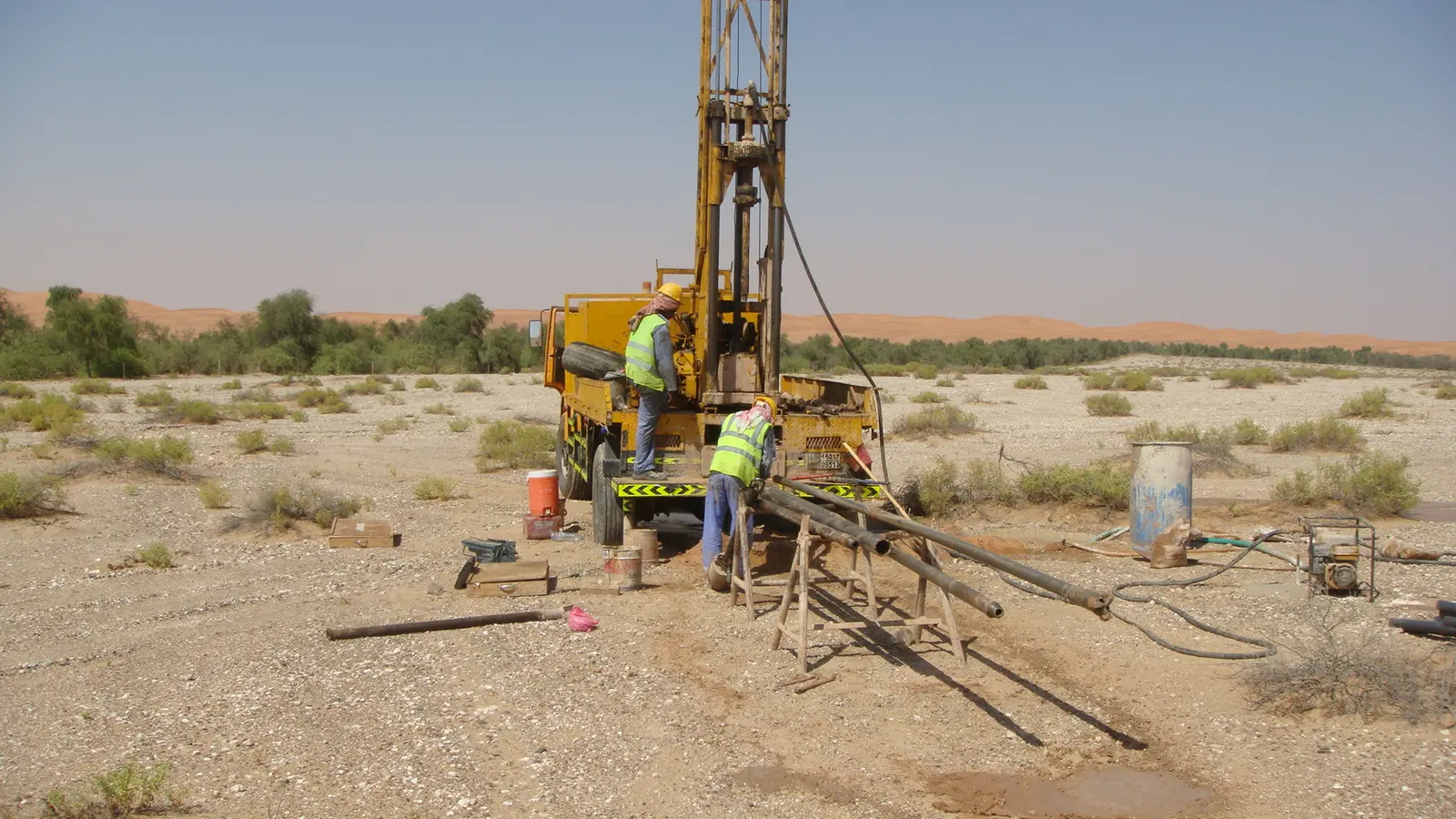
The site engineer or a technician working to the engineer's instruction takes the sample, not the contractor who will pour the footing. The sampler opens a small pit or uses a hand auger at the points the engineer marks, then records each hole on a sketch plan with distances from a fixed boundary. In hot, dry ground a sample can dry out before it reaches the lab, so the bag is sealed and delivered the same day where possible. Ask the laboratory how it wants samples packed and how long it will hold them. If the plot sits near a seasonal watercourse, the engineer may want samples from more than one depth so the report shows how the ground changes. Confirm the sampling plan with the project engineer before digging.
How deep, and how many samples?
Depth and spacing are set by the foundation type and the engineer's instruction, and general practice is to sample below the level where foundations will bear and again at the base of the proposed excavation. For a single-storey house on firm ground, one or two holes to the founding depth can be enough to read the profile; larger or heavier buildings need more points. Ask the engineer to mark the sample locations on the drawing so the laboratory report can be read against the plan. Never present a rule of thumb as a local rule: confirm depths against the project's specification and the engineer's written instruction. The report should state the depth of each sample, because a result labelled only "soil" tells the designer nothing about where it came from.
What should the laboratory report contain?
Ask the laboratory for a signed report that names the plot, lists each sample with its depth and location, describes the soil, and gives the tests requested by the engineer, such as grading, moisture, plasticity or bearing capacity. Ask for the laboratory's method and rate in writing before work starts. Where the ground is soft or variable, ask the engineer whether the report needs a recommendation on foundation type or depth, not just raw numbers. Keep the report and the sampling sketch together in the site file, and give a copy to whoever designs or checks the foundation. If results look unusual, ask the engineer whether a second sample from the same hole confirms them.
What to do next
Before the next pour, walk the plot with the engineer and mark every sample point on the site drawing. Ask the municipal engineer's office whether it holds borehole or test pit records for the plot, and ask two laboratories for written method statements and rates. File the report, the sketch and the delivery note together, then confirm the founding depth in writing.
Frequently asked questions
Can a contractor take the soil sample and send it to the lab?
A contractor can help dig, but the sampler should work to the engineer's instruction and log the location, depth and date. Keep the sampling record separate from the construction contractor's own notes.
How long does a soil report take?
Timing depends on the tests requested and the laboratory's workload. Ask the laboratory for its turnaround time in writing when you request the rate, and plan the foundation programme around it.
Local reporting: this article is written for building work in Hargeisa. Ground conditions, prices and rules differ between places; confirm the details for your own site.