
In brief
- A low formwork bracing bid may mean the tenderer left out props, diagonal braces, tie points or the labour to adjust them.
- Ask for a bracing layout drawing and a written list of every brace, prop and tie the price covers before comparing bids.
- Check the first bays against the approved bracing layout before the pour, and record what the bid promised.
Contents
A low formwork bracing price may indicate an omission, not cheaper work, so formwork bracing underbidding risks Berbera clients carry into the pour: fewer props, missing diagonal braces, no tie points in the slab, and no labour allowance to adjust any of it when the frame moves.
What does a low formwork bracing bid leave out?
An underbid bracing price may omit physical items first. The tender may price vertical props but not the diagonal braces that stop the frame racking sideways, or it may price braces but not the ties, wedges and base plates that connect them. It may assume the slab or wall steel can be used as a tie point, which is not bracing. Labour is the second possible omission: someone has to plumb, wedge and re-check the frame as the pour rises. A price built on one fitter for a two-day pour cannot cover that. Ask each tenderer for a written schedule of the props, braces, ties and labour hours the bracing price includes. Then ask for a bracing layout drawing with prop spacing and brace positions marked, and confirm the two documents agree. Confirm spacing and load assumptions against the project's specification or engineer, because general practice limits are not a local regulation.
How does formwork bracing underbidding show up on site?
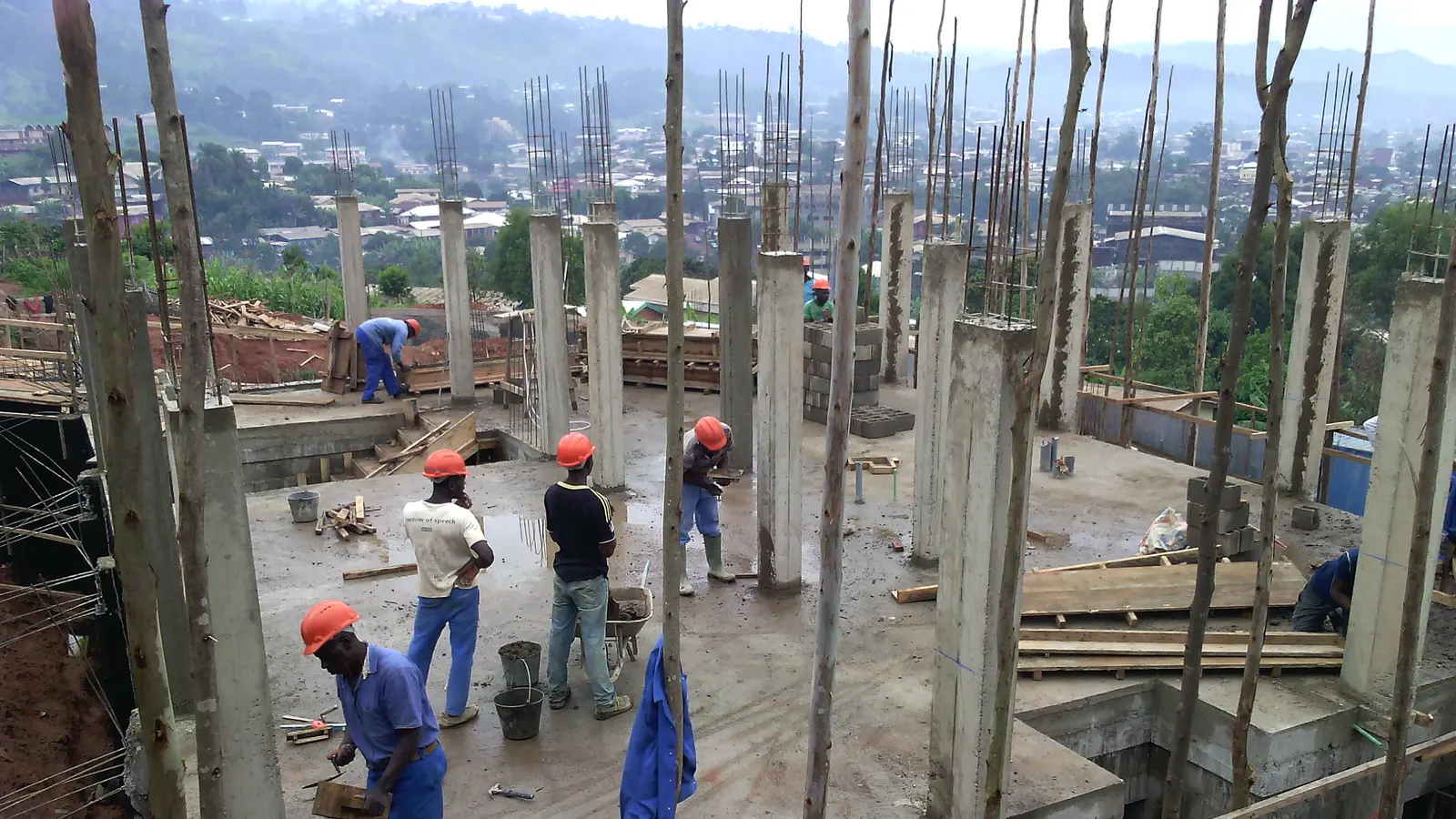
The gap shows as movement during the pour, not on the bid sheet. Concrete pushes outward at the base of a wall or beam, and a frame with too few diagonal braces racks or bulges. Whoever is watching may not catch it because the tender never priced a person to watch. Items to look for on any site include props set at uneven centres, braces that stop short of a firm tie point, wedges missing under props, and no one checking plumb after the first truck. Walk any comparable completed pour and ask to see the bracing as it was set, not after stripping. Ask the municipal engineer's office what records it holds for the site. If a low bid is the only one you have, ask the tenderer to price the bracing as a separate line so any omission becomes visible.
How do you close the gap before the pour?
Fix it in the contract and at the first inspection. Add a bracing line item so the price can be compared against the layout drawing, and state in the tender that the bracing price covers labour to adjust and re-check the frame throughout the pour. Before concrete arrives, inspect the first bays against the approved layout and photograph the props, braces and tie points. If the frame does not match, stop and get it corrected before the pour starts; a bulge that sets becomes a demolition problem. Check what your contract allows on payment and variations, and keep the inspection record with the valuation paperwork. For anything technical, confirm the bracing design with the project engineer, not with the tenderer's price.
What to do next
Ask every tenderer for a bracing layout drawing and a written schedule of the props, braces, ties and labour hours included in the price. Compare the schedules side by side, then inspect the first bays against the winning layout before the pour. Keep the drawing, the schedule and the inspection photos with the contract file.
Frequently asked questions
Should I reject the lowest formwork bracing bid in Berbera?
Not automatically. Ask the tenderer to price bracing as a separate line with quantities and labour hours, then compare that line against the bracing layout drawing. A bid with a complete, priced bracing schedule can still be the cheapest.
Who checks formwork bracing before a pour in Berbera?
The project's engineer or supervisor signs off the bracing layout against what is built. The contractor sets and adjusts the props and braces. Ask the municipal engineer's office what records it holds for the site, and keep your own inspection photos.
Local reporting: this article is written for building work in Berbera and Somaliland. Ground conditions, prices and rules differ between places; confirm the details for your own site.