
In brief
- A Garowe participant is recorded attributing an increase in property values to the project in the World Bank's 2024 SURP-II consultation report.
- The statement is resident testimony, not a valuation, survey or measured price series.
- A vendor or buyer can test the claim only against actual asking prices and transaction records, not consultation comments.
Contents
The World Bank published a report in 2024 recording community consultations for the Somalia Urban Resilience Project Phase II (SURP-II). In the Garowe consultation row, on PDF page 45, printed page 42, a participant associated the project with increased property value, stating that the project had led to an increase in the value of their properties.
What the source records
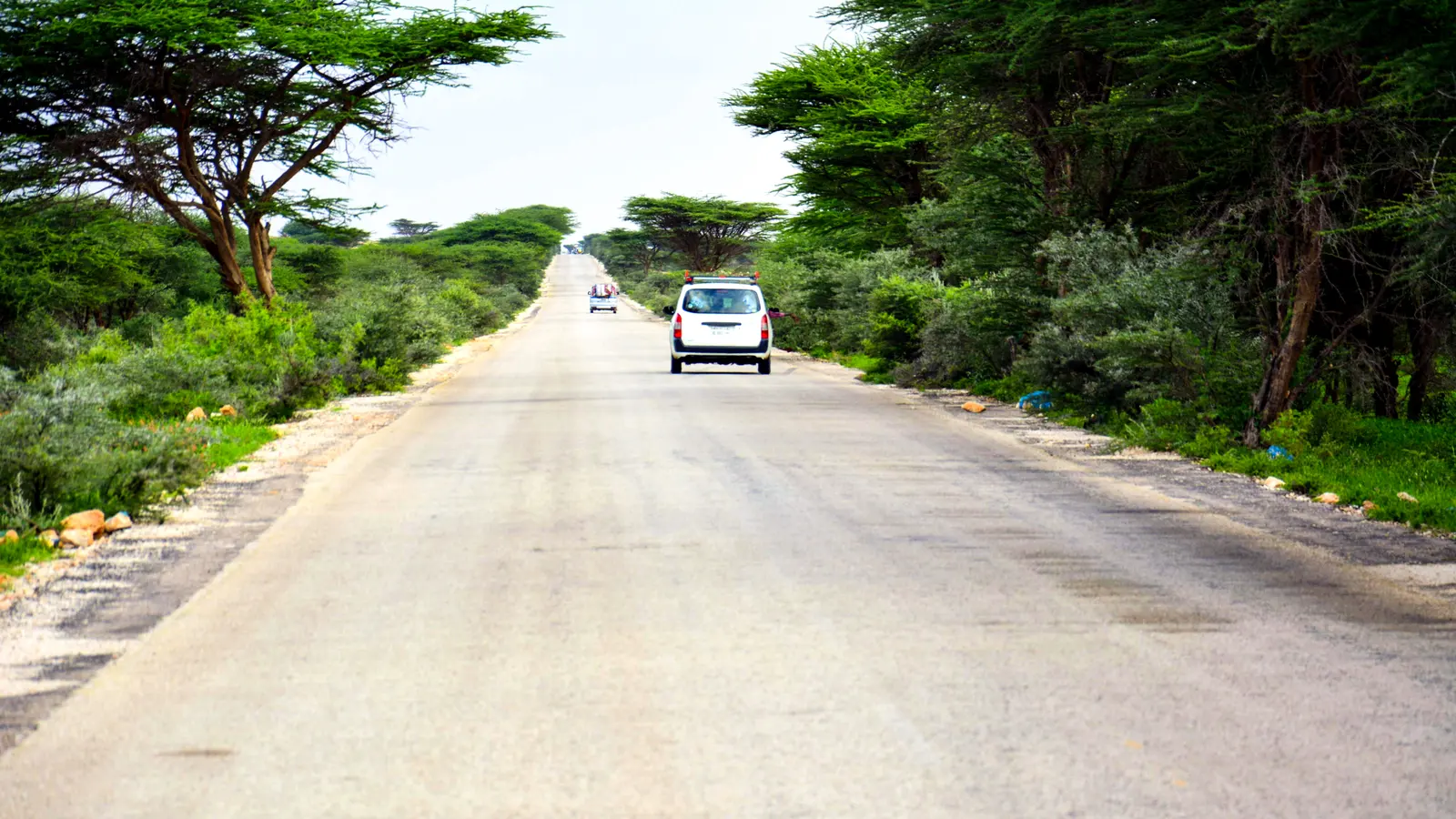
The report sets out perceptions gathered from residents in several cities. Participants from Garowe, the row reads, were generally very happy with the project and expressed satisfaction with the outcome. The recorded comments include that Garowe has tarmac roads now and looks different, that connectivity and security have improved, and that the Argo outfall prevented the city from flooding. One comment states: "This Project has led to the increase in the value of our properties." The same passage is in the World Bank consultation record.
What it means on site
A builder or homeowner reading this can treat it as one resident's judgement about a road, drainage and bridge programme, not as a price signal. Property value in Garowe can depend on access, drainage, plot papers, utility connections and what a buyer is willing to pay on the day, and the source does not separate those. If a loan, sale or insurance decision turns on value, ask a registered valuer for a written valuation, and ask two estate agents for recent asking and closing prices on comparable plots. Confirm the current condition of the specific road or drain with the municipal engineer's office rather than from the report.
What the source does not establish
The comment is qualitative testimony recorded at a consultation, not a representative survey and not an independent asset valuation. The report gives no figures, no sample, no date of sale and no method, so it cannot show that values rose, by how much, or that the project caused any change. The 2024 publication is the as-of date, and the consultation timing inside the report is when the comment was made. Nothing in the source describes the present state of Garowe's roads or property market. A valuation report, land registry or municipal rate record would confirm today's position.
What to do next
Request the Garowe consultation section of the SURP-II report from the project's implementing unit, and ask the Garowe municipal engineer's office which road, drainage and bridge works in the area are complete as of today. Use those records, not testimony, when a value question matters.
Frequently asked questions
Does the World Bank report prove Garowe property values rose?
No. It records a participant saying the project increased the value of their properties. That is one person's testimony, not a survey or a valuation, and the report gives no figures or method.
How can a buyer check property values near a new road in Garowe?
Ask a registered valuer for a written valuation and two estate agents for recent asking and closing prices on comparable plots, and confirm completed road and drainage works with the municipal engineer's office.
Sources
Local reporting: this article is written for building work in Garowe and Puntland. Ground conditions, prices and rules differ between places; confirm the details for your own site.