
In brief
- The World Bank's 2024 SURP-II report records Garowe residents' satisfaction with new roads, not the results of pavement or materials testing.
- Resident testimony is qualitative evidence of perceived benefits, not a representative survey or an independent asset valuation.
- Road acceptance on a project rests on specification, testing and inspection records, which this source does not present.
Contents
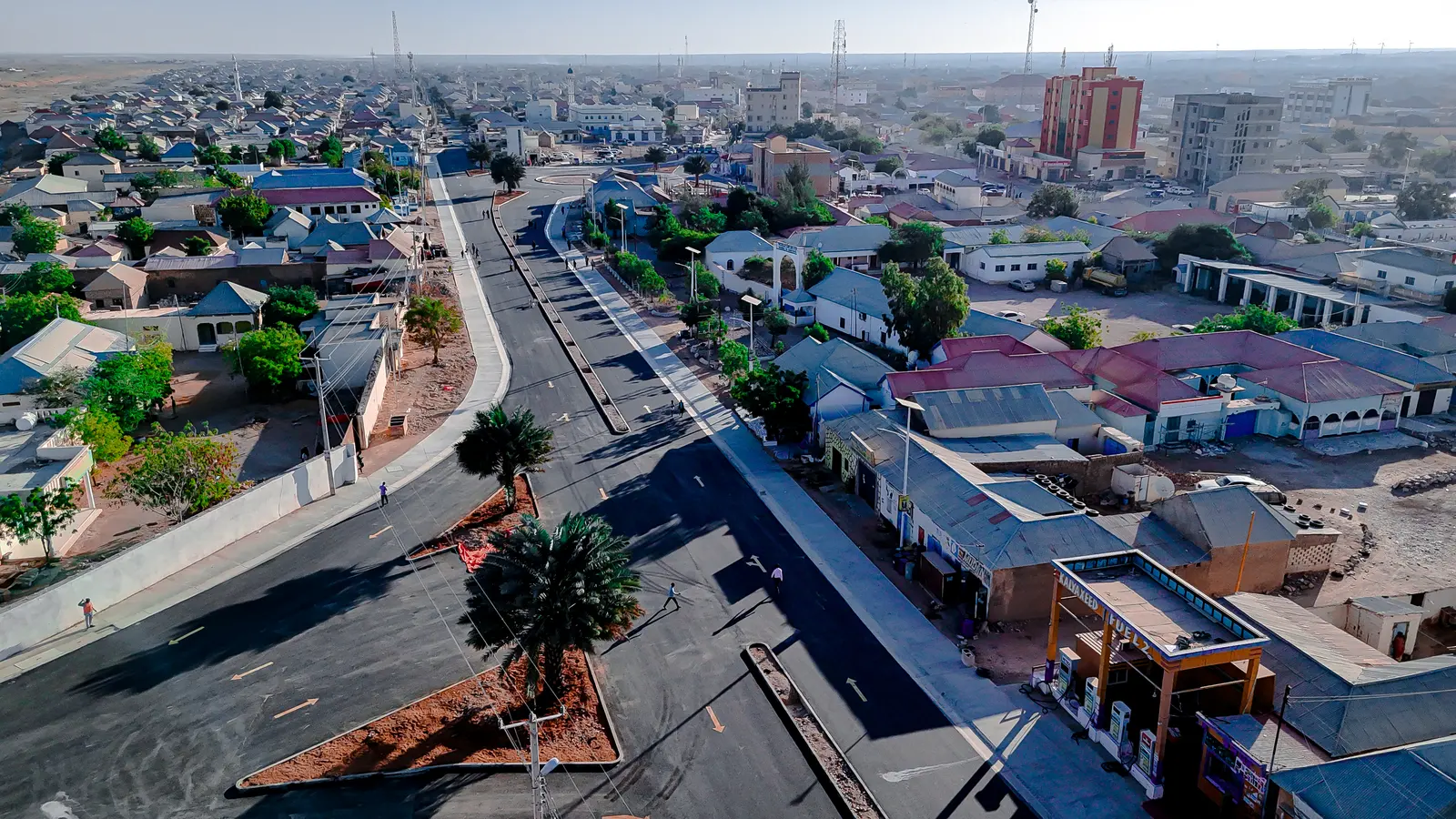
The World Bank's 2024 SURP-II community consultation record sets out what Garowe residents said about the project's roads, and the report presents that testimony as perceptions. In the Garowe consultation row, participants described the city as changed and tarmac roads as new, while the entry is recorded as qualitative feedback rather than a technical inspection.
What the source records
In the Garowe row, the World Bank reports participants were generally very happy with the project, describing the city as "beautiful" and "a proper city now" and saying that where the city had only one tarmac road, there are now many. The same record attributes statements that connectivity and security improved, that roads saved the city from recent El Nino floods, and that the project increased the value of properties. The full consultation record is in World Bank: SURP-II community consultations.
What it means on site
For a builder, engineer or client, these are reports of what users noticed, and they say nothing about compaction, layer thickness, asphalt grading, drainage capacity or ride quality measured against a specification. Testimony about a smoother ride or reduced flooding can point to where to look, but it does not replace testing. General practice for acceptance is a documented chain: approved drawings and specification, materials test certificates, compaction and concrete cube results, and an inspection and handover record. Confirm each against the project's specification and engineer.
What the source does not establish
The record does not present pavement testing, deflection or roughness measurements, drainage capacity checks, defect or rectification logs, or an independent asset valuation, and the editor's note on this source states the evidence is qualitative testimony, not representative survey results or independent asset valuation. The report's date is the as-of date for the consultation. It also does not establish the current condition of any road, bridge or outfall, or the cause of any defect. A construction completion certificate, test results and a maintenance record would confirm the present state.
What to do next
For a specific Garowe road, ask the implementing municipality or the project implementation unit for the road's as-built drawings, materials test results and handover certificate, and ask the municipal engineer's office which sections it holds records for. Check what your own contract requires before relying on any acceptance document.
Frequently asked questions
Does the World Bank's 2024 SURP-II report certify the quality of Garowe's roads?
No. The Garowe consultation row records what residents said about the project and its benefits. It does not present pavement testing, materials results or an independent valuation of the works.
What record shows whether a Garowe road was built to specification?
Ask the implementing municipality or the project implementation unit for the as-built drawings, materials and compaction test results, and the inspection and handover certificate for that section, then check what your contract requires.
Sources
Local reporting: this article is written for building work in Garowe and Puntland. Ground conditions, prices and rules differ between places; confirm the details for your own site.