In brief
- The World Bank's 2024 SURP-II community consultation records a Garowe resident who uses a wheelchair saying the road to Jilbab is now comfortable to ride.
- The same Garowe consultation rows record satisfaction with new tarmac roads, improved connectivity and security, and a claim that property values rose.
- The record is resident testimony, not a measured survey of footway condition or an independent valuation.
Contents
The World Bank's SURP-II community consultation, published in 2024, records a Garowe resident who uses a wheelchair saying that the route to Jilbab, previously hard to ride on a rough road, can now be ridden comfortably. The testimony sits in the Garowe consultation row of the report (PDF page 45, printed page 42).
What the source records
The World Bank report sets out resident comments from Garowe in the Garowe (Puntland State) section of the consultation table. In that row, one participant states: "I use a wheel chair, before it was very had to ride on the rough road to Jilbab, I ride comfortably now." The same Garowe entry records other comments about tarmac roads, connectivity, security, the Argo outfall and flood protection, and a statement that the project "has led to the increase in the value of our properties". Every line is participant testimony collected for the consultation. See World Bank: SURP-II community consultations.
What it means on site
A wheelchair user's comfort depends on the running surface: joints between slabs or kerbs, loose gravel, ruts and ponding all show up as vibration and effort. The comment points to a change in riding quality on one route, which a builder or engineer can check directly: lift a straight edge across the surface, look at crossfall at crossings, and see where water stands after rain. Ask the municipal engineer's office which carriageway, shoulder and drainage works cover the Jilbab route, and request the as-built drawings for it.
What the source does not establish
The report presents perceptions, not measurements. It does not state the length, width or surface type of the Jilbab road, when it was built, or which contract covered it. It gives no independent assessment of property values and no count of wheelchair users. A single comment cannot describe conditions along the whole route today. Confirmation would come from the municipality's as-built records, a site inspection, and a measured condition survey.
What to do next
Ask the Garowe municipal engineer's office for the as-built drawings and maintenance file for the Jilbab road, and inspect the surface after the next rain. Where a defect appears, report the location with photographs.
Frequently asked questions
Does the World Bank report measure accessibility on the Jilbab road?
No. It records a participant's comment that the road is now comfortable to ride by wheelchair. The report gives no measurements, route length or surface specification.
How can a homeowner check the road's present condition?
Request the as-built drawings and maintenance record from the Garowe municipal engineer's office, then inspect the surface after rain and note ponding or loose material.
Sources
Local reporting: this article is written for building work in Garowe and Puntland. Ground conditions, prices and rules differ between places; confirm the details for your own site.
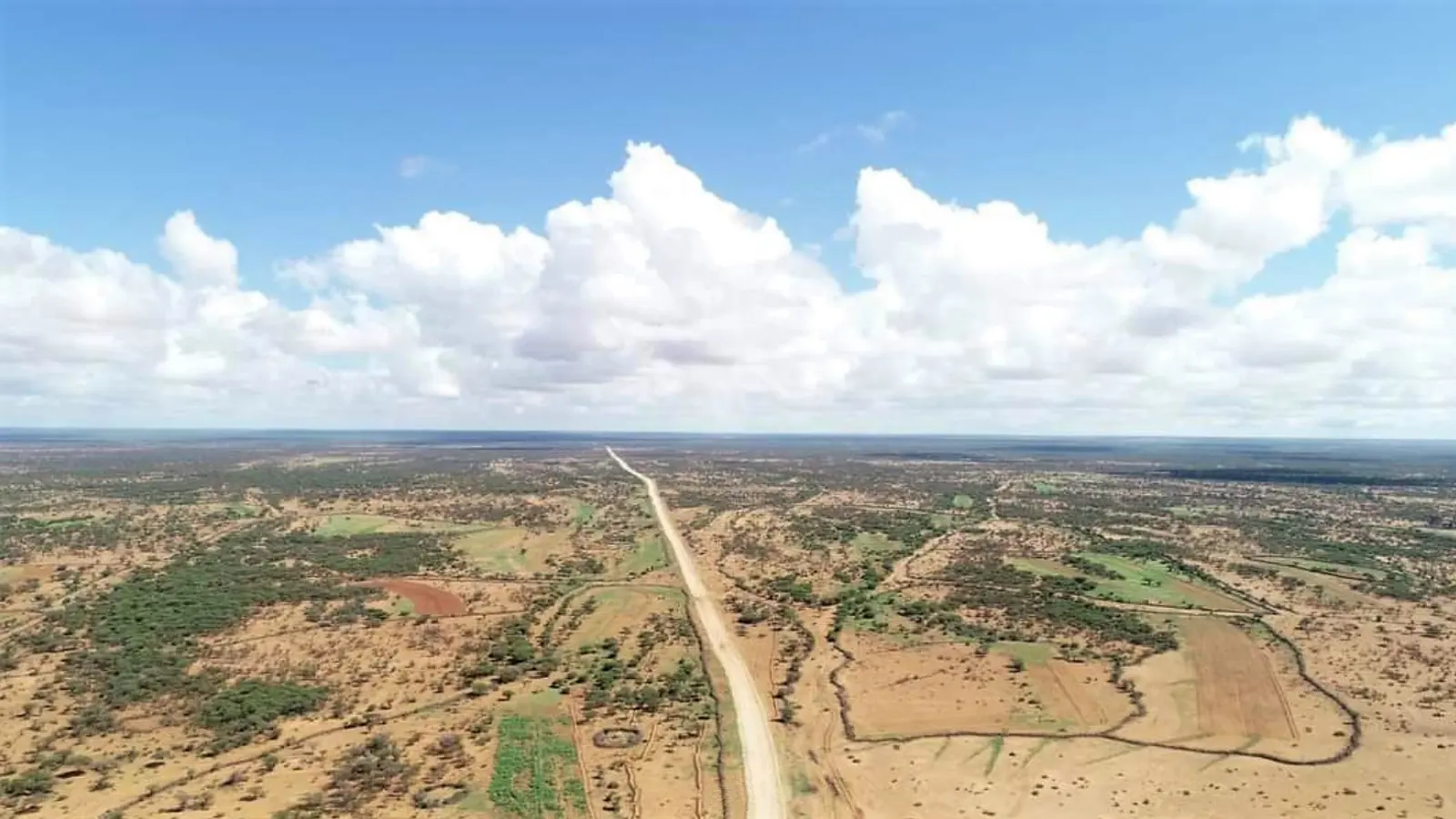
Photo: Wacdiyo Waano, Public domain, via Wikimedia Commons
