
In brief
- Ecofin Agency reported that Global South Utilities inaugurated a 5 MWp grid-connected solar plant in Berbera on 17 February 2026 under the Green Berbera Vision programme.
- The project includes 11.2 km of 33 kV transmission lines and associated substations, according to the same report.
- Output and emissions figures come from the developer, and the report does not cover how the plant is dispatched or how tariffs are set.
Contents
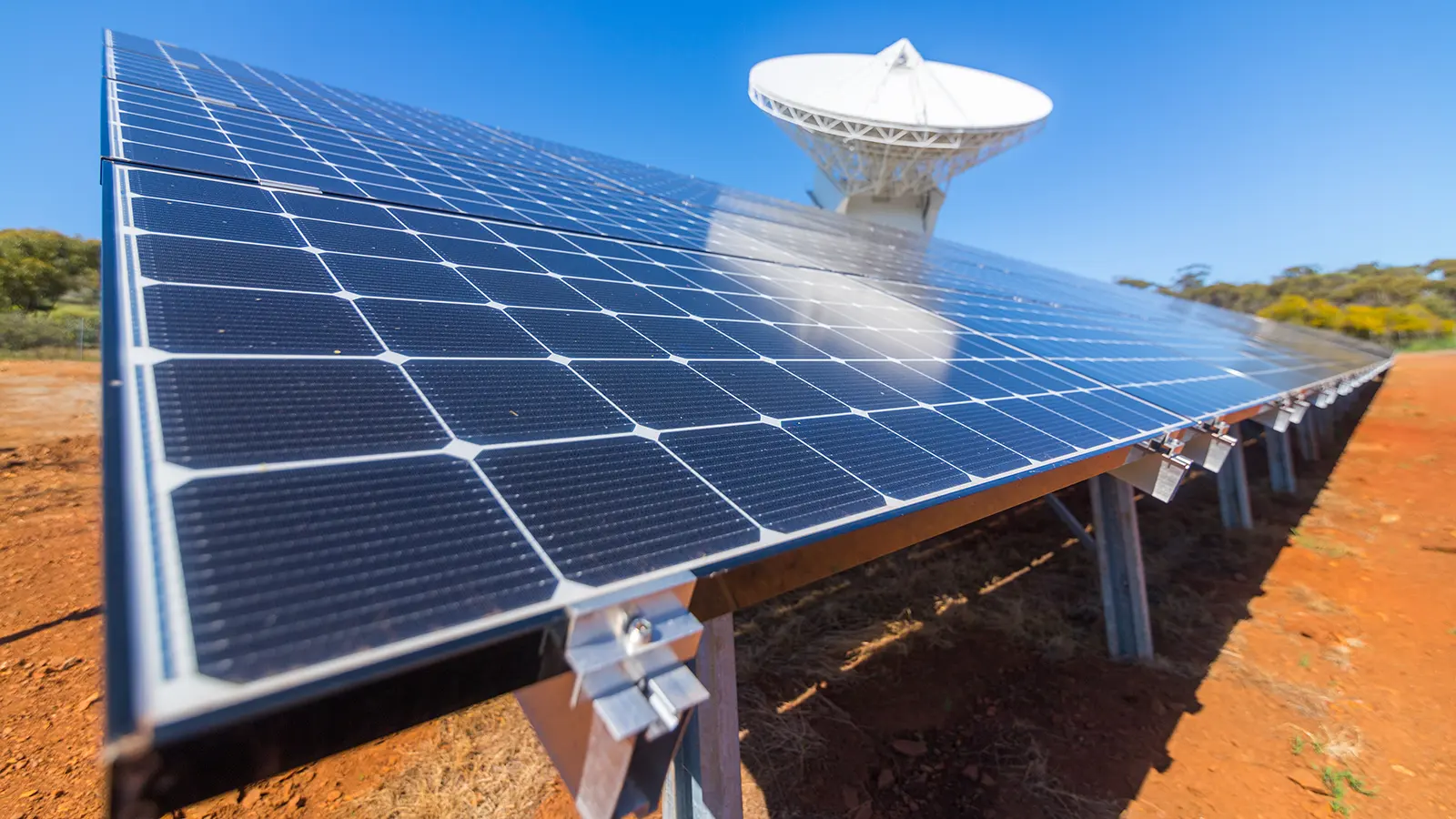
Ecofin Agency reported that Global South Utilities (GSU) inaugurated a 5 MWp grid-connected solar plant in Berbera on 17 February 2026, under a programme called Green Berbera Vision. The report, dated 19 February 2026, describes the plant as part of an effort to cut diesel dependence and add renewable generation backed by battery storage.
What the source records
The plant has a capacity of 5 megawatt-peak, according to Ecofin Agency. The same report states that the project includes 11.2 kilometres of 33 kV transmission lines and associated substations. GSU estimates the plant will generate around 10,000 MWh a year, match the consumption of nearly 28,000 households, and avoid roughly 6,890 tonnes of CO2 emissions annually. Ecofin also notes GSU projects in Chad, the Central African Republic and Madagascar.
What it means on site
A 33 kV tie-in means the plant feeds an existing distribution network rather than an isolated mini-grid, so the cable route, substation bay and protection settings are the parts a client or contractor can inspect physically. General practice for grid-connected solar is to check the as-built single line diagram, the inverter and transformer nameplate ratings, and the protection relay settings against the approved design before energisation. Confirm those documents with the utility that operates the Berbera network and with the project's engineer, since the report does not describe the connection arrangements.
What the source does not establish
The 10,000 MWh and 6,890 tonne figures are the developer's estimates, not metered results, and no measurement period is given. A commissioning date is not proof of sustained output. The report does not cover the battery storage capacity, the tariff or power purchase arrangements, how the plant is dispatched, or how it interacts with existing diesel generation. Nothing in it states who owns or operates the asset after handover. The as-of date is 19 February 2026, and the present condition of the plant is not described.
What to do next
Ask the utility operating the Berbera grid for the interconnection agreement and the as-built single line diagram for this plant. Request the metered generation record for the months after commissioning from GSU or the plant operator.
Sources
Local reporting: this article is written for building work in Berbera and Somaliland. Ground conditions, prices and rules differ between places; confirm the details for your own site.