
In brief
- Unsafe elevated access usually traces back to selecting a ladder before the task height, load and duration are written down and agreed.
- A supervisor can test ladder selection experience by asking for the numbers on the ladder and the numbers of the job, then comparing them against the project specification.
- Ask the contractor for load ratings, inspection records and named operators before access work starts on a Gabiley site.
Contents
Ladder selection experience gaps in Gabiley put projects at risk when a ladder is picked before anyone writes down the task height, the load and the working duration. A person with real selection experience matches the equipment to the job, not the job to whatever is on site. Without that habit, elevated access becomes guesswork.
What does weak ladder selection experience look like on site?
It looks like a ladder bought or borrowed for one task and reused for another with no note of its duty rating or condition. Selection is a calculation, not a preference: the working height, the angle, the surface, the wind, the load and the time on the ladder all decide what fits. A worker with limited experience may choose by length alone or by what the supplier has in stock.
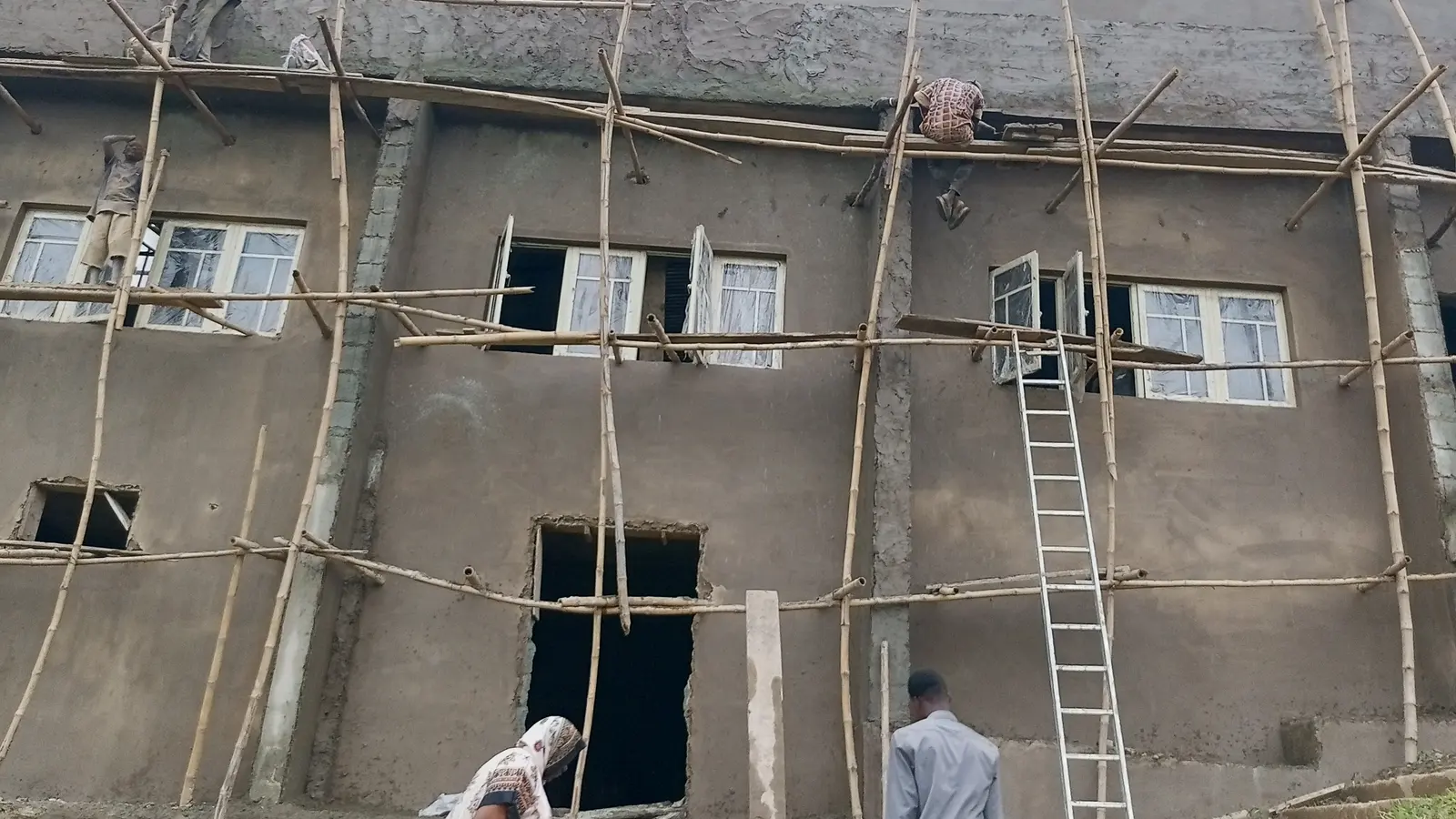
Signs to watch for include a ladder that is too short for the working platform, one placed on loose gravel or on a slope with no footing, or one carrying two people and materials. On any site, ask the contractor whether the crew records a written check before each use. Ask the municipal engineer's office which permits cover temporary works on the plot, and ask the contractor for records showing what was selected and why. If no one can explain the choice, the gap is already active.
How do ladder selection gaps become elevated access risks?
The risk grows when the selection decision is never tested against the task, and the work starts anyway. A ladder that is wrong for the job can shift, sink or fail under load, and the person on it has no second chance. The mechanism is simple: wrong selection, then wrong setup, then a fall or a dropped material.
Supervisors should treat ladder selection like any other temporary works item. Check the duty rating against the expected load, confirm the working height, and verify the ladder is inspected and tagged. Ask who selected it and what they compared. Walk the access points and ask the same three questions at each one: what is the task, what is the load, and what is this ladder rated for? If the answers differ, stop the task and reselect. General practice covers the leaning angle and the base-to-height ratio for portable ladders, but obtain the required ratio from the project specification or the engineer's instruction.
How do you close the ladder selection experience gap?
Close it by making selection a documented step with a named person, not an informal choice. Write a short access plan for each task: height, load, surface, duration and the ladder class required. Name the person who selects and the person who checks, and record both on the same sheet. Keep inspection records for every ladder on site, and remove any ladder that fails the check from service.
Where the team lacks selection experience, bring in someone who has it for the first few tasks and have the site team watch the comparison being made. Ladder selection experience in Gabiley can also be tested by asking a recent site for its access plan and inspection sheets, or by asking the supplier to explain the duty ratings in writing. The project specification and the engineer decide the final requirement.
What to do next
Ask the contractor for the access plan and ladder inspection records for the next elevated task on your Gabiley site. Compare the duty rating, working height and load against the job, and confirm the selection rule with the project engineer. If any item is missing, hold the task until the plan and the records match.
Frequently asked questions
What records should a Gabiley site keep for ladder selection?
Keep a written access plan for each elevated task, the ladder duty rating, inspection records and the name of the person who selected and checked it. Ask the project engineer which format the specification requires.
Can a supervisor check ladder experience without a formal test?
Yes. Ask the person to explain how they matched the ladder to the task height, load and surface, then compare the answer against the ladder markings and the access plan.
Local reporting: this article is written for building work in Gabiley and Somaliland. Ground conditions, prices and rules differ between places; confirm the details for your own site.