.jpg)
In brief
- The United Nations in Somalia published Mohamed Abdullahi Muhamoud's account from the ruins of Waheen market on 9 April 2022.
- Somaliland's response committee put preliminary losses from the fire at between $1.5 billion and $2 billion, preliminary figures compiled a week after the blaze.
- The same report records a UN inter-agency assessment team deploying, so reconstruction design should wait on that assessment and on a client's own scope.
Contents
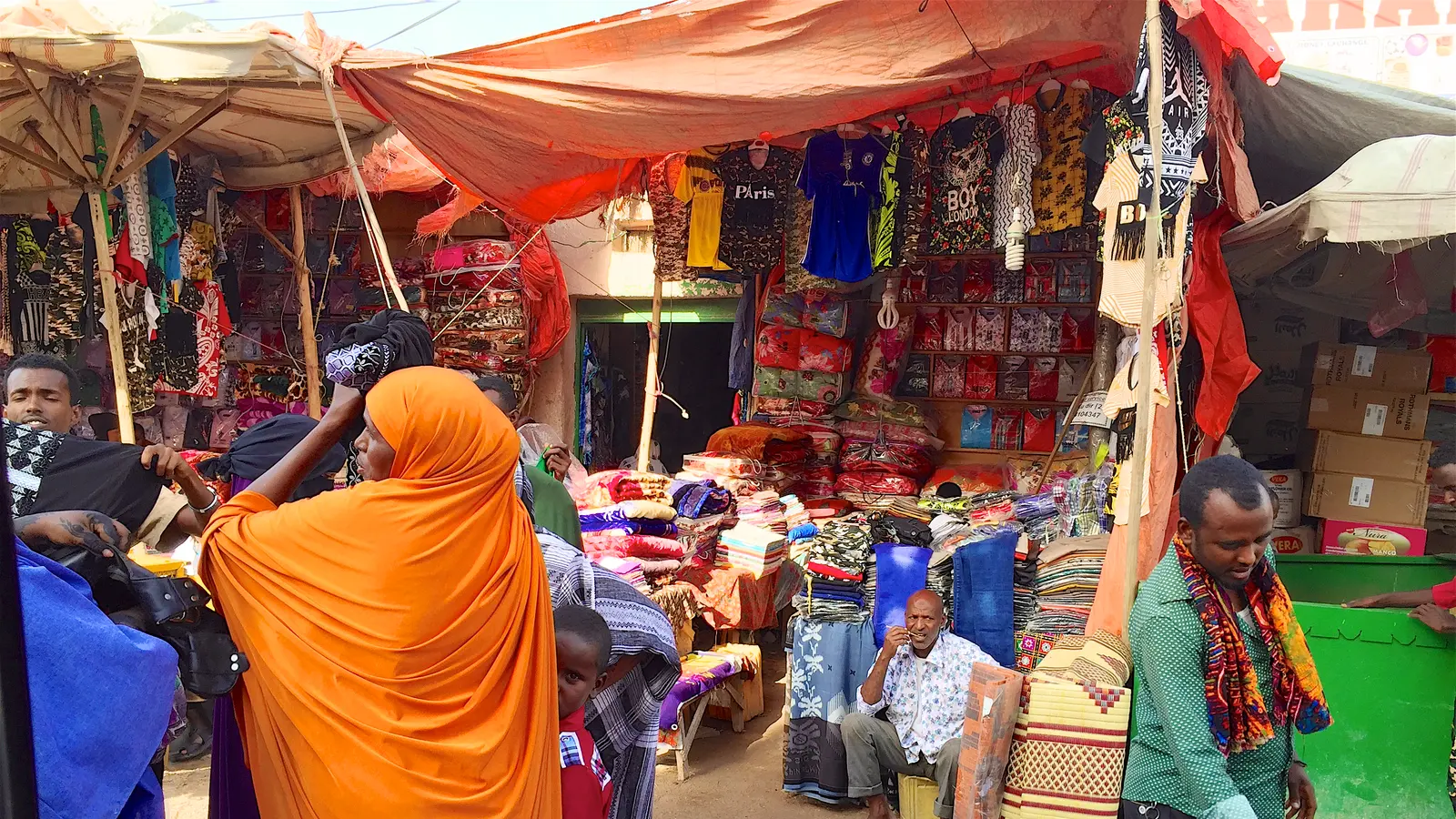
The United Nations in Somalia reported on 9 April 2022 the account of Mohamed Abdullahi Muhamoud, standing in the smouldering ruins of the Waheen market in Hargeisa, a week after fire destroyed it. "My business used to feed my entire family... Today, as you can see, it's completely destroyed," he says in the report.
What the source records
After around a week, the report records the loss of a market it says covered five square kilometres in central Hargeisa, held about 5,000 businesses, and drew sellers from the city and surrounding communities, with an estimated 5,000 businesses cited. Somaliland's response committee gave preliminary loss estimates of $1.5 billion to $2 billion, and the report notes scarcity and inflation in Hargeisa after goods burned. Somaliland's Chamber of Commerce, Industry and Agriculture is credited with an estimate that the fire accounted for 40 to 50 per cent of the city's economy. The United Nations in Somalia also reported an inter-agency team of experts, drawn from nine agencies, funds and programmes, deploying that week to assess damage with the government and response committee.
What it means on site
For anyone asked to price or supervise rebuilding inside a market footprint, the report points to a staged start rather than a single draw-and-build. Its team leader describes meeting traders already trading from makeshift stalls. A client can ask two suppliers for written quotes on temporary stall frames and roofing sheets while waiting for drawings, and confirm from the municipal engineer's office which structures may be rebuilt in place. Where fire has touched structural steel or concrete, general practice is to have a laboratory test samples rather than assume a member still carries load. The source stops before any of that.
What the source does not establish
The loss figures are preliminary and belong to Somaliland's response committee as reported; the report says the joint assessment would be finalised later, and its record ends at the site visit and ministerial meetings. It does not establish the ignition cause, does not name any contractor, and does not confirm what has since been reconstructed or cleared. Nothing here confirms a current condition of the market. Only a fresh site survey, a fire investigation report, or municipal records would confirm the present state.
What to do next
Before pricing works on the site, request the joint assessment report from the UN agencies named and the response committee's reconstruction plan, then ask the Hargeisa municipal office what the plot currently permits. Agree in writing what the contract treats as existing damage.
Frequently asked questions
Who is Mohamed Abdullahi Muhamoud?
He is a Waheen market trader whose account the United Nations in Somalia published on 9 April 2022, after fire destroyed the market, saying the business had fed his entire family.
What were the reported losses from the Waheen market fire?
Somaliland's response committee gave preliminary estimates of between $1.5 billion and $2 billion, as reported by the United Nations in Somalia on 9 April 2022. The report calls those figures preliminary.
Does the report say what caused the fire?
No. The report does not establish the ignition cause, and it names no contractor or party as responsible.
Sources
Local reporting: this article is written for building work in Somaliland. Ground conditions, prices and rules differ between places; confirm the details for your own site.