
In brief
- IFRC reported that the 27 April 2020 flooding in Qardho damaged road networks and telecommunications.
- The same report describes contamination of water sources and disrupted market functionality among the impacts.
- Damage figures in the report are assessment estimates, not verified engineering quantities.
Contents
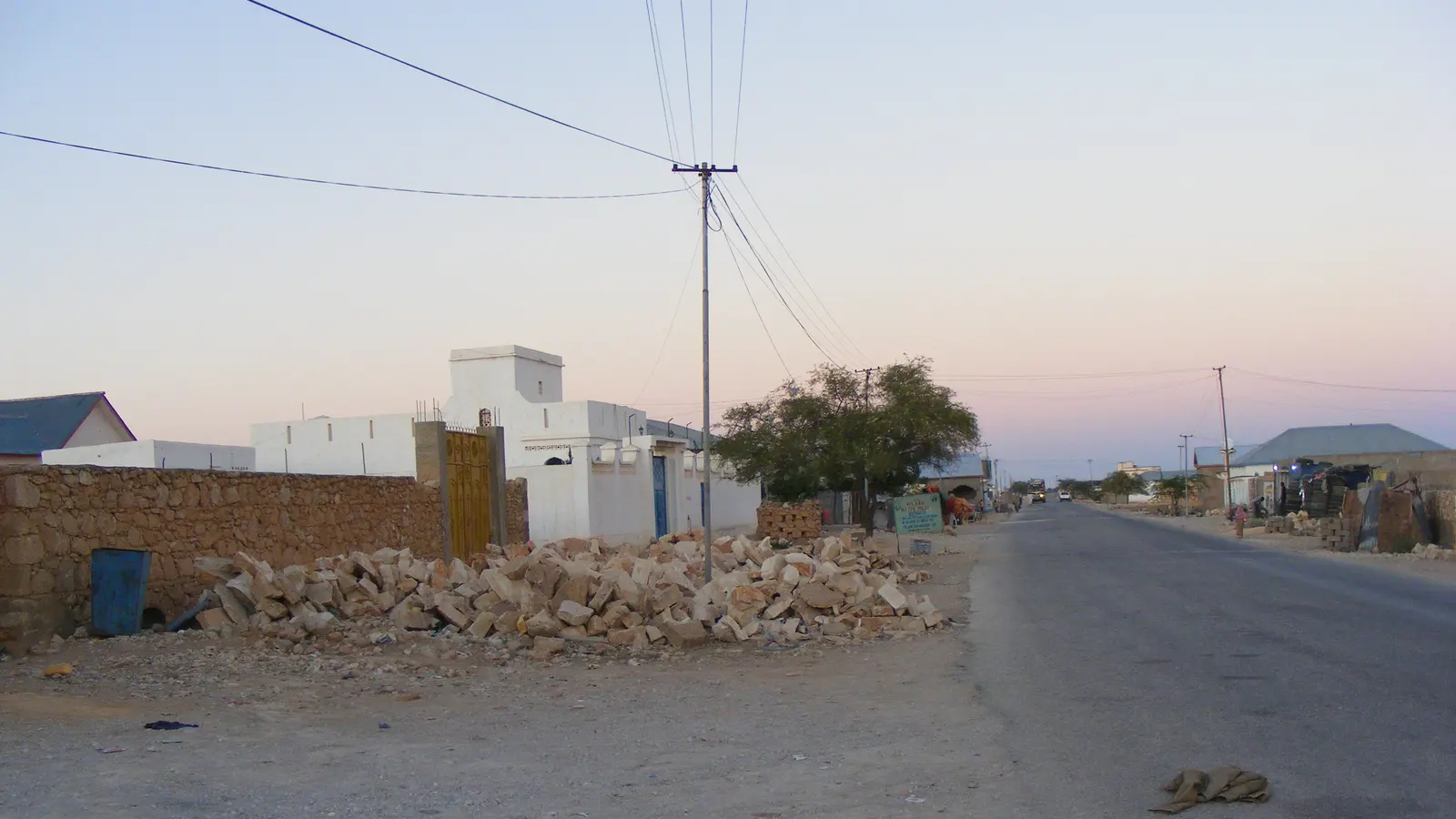
IFRC and the Somali Red Crescent Society reported that heavy downpour in Qardho on 27 April 2020, with seasonal river catchments already full, caused widespread flooding that damaged road networks and telecommunications, contaminated water sources and disrupted markets and health services. The findings appear in the DREF operation final report issued on 18 December 2020.
What the source records
The report states that heavy rains affected most parts of Somalia from 20 April 2020 and caused overflows in all-season and seasonal rivers. In Qardho, it says the 27 April flooding damaged infrastructure, road networks and telecommunications, settlements and shelter, water sources, livelihoods, social services and market functionality. The source gives a city population of 120,000 people, about 20,000 households, and records 50,000 people affected, with 750 shelters or houses destroyed, in the IFRC and Somali Red Crescent final report.
What it means on site
Flood damage to a road is not only lost surfacing. Moving water can scour fill at culverts, undermine shoulder and pavement edges, and strip the fines that hold a gravel base together. For a builder or client assessing an affected stretch, the practical checks are the crossing structures, the embankment slopes and the drains that should carry water away. Ask the municipal or district engineer's office for the road authority's inspection record and any culvert inventory for the section. Where telecommunications masts or buried ducts sit in low ground, request the operator's own inspection record rather than relying on a general account.
What the source does not establish
The figures are assessment estimates gathered for humanitarian planning, not surveyed engineering quantities. The report does not identify which road sections failed, does not give culvert sizes, scour depths or repair scopes, and does not establish liability for any damage. It is a record as of its 18 December 2020 issue date. The present condition of Qardho's roads and water sources cannot be taken from it. A current confirmation would be the road authority's maintenance schedule, a recent site inspection, or a laboratory test of the existing base material.
What to do next
Ask the Qardho district or Puntland road authority for its post-flood inspection record covering the stretch you care about, and ask which culverts and drainage channels were cleared or rebuilt. Request the document in writing with a date.
Frequently asked questions
Did the floods damage roads in Qardho in April 2020?
Yes. IFRC and the Somali Red Crescent reported that the 27 April 2020 flooding damaged road networks and telecommunications, alongside shelter, water sources and markets.
Can the IFRC report be used to price road repairs in Qardho?
No. Its figures are assessment estimates for humanitarian planning. Ask the road authority for its inspection record and get written quotes against a defined repair scope.
Sources
Local reporting: this article is written for building work in Qardho and Puntland. Ground conditions, prices and rules differ between places; confirm the details for your own site.