In brief
- The World Bank's 2024 SURP-II consultation report records generally very happy Garowe participants expressing satisfaction with project outcomes.
- Resident comments in the Garowe row mention tarmac roads, better connectivity and security, the Argo outfall, reduced El Nino flood risk and higher property values.
- The record is qualitative testimony, not a representative survey or an independent valuation of assets.
Contents
The World Bank's 2024 publication of SURP-II community consultations records that participants from Garowe were generally very happy with the project and expressed satisfaction with its outcome. The Garowe row sits on PDF page 45, printed page 42, alongside consultation rows for Mogadishu, Kismayo, Baidoa, Beledweyne and Dhusamareb.
What the source records
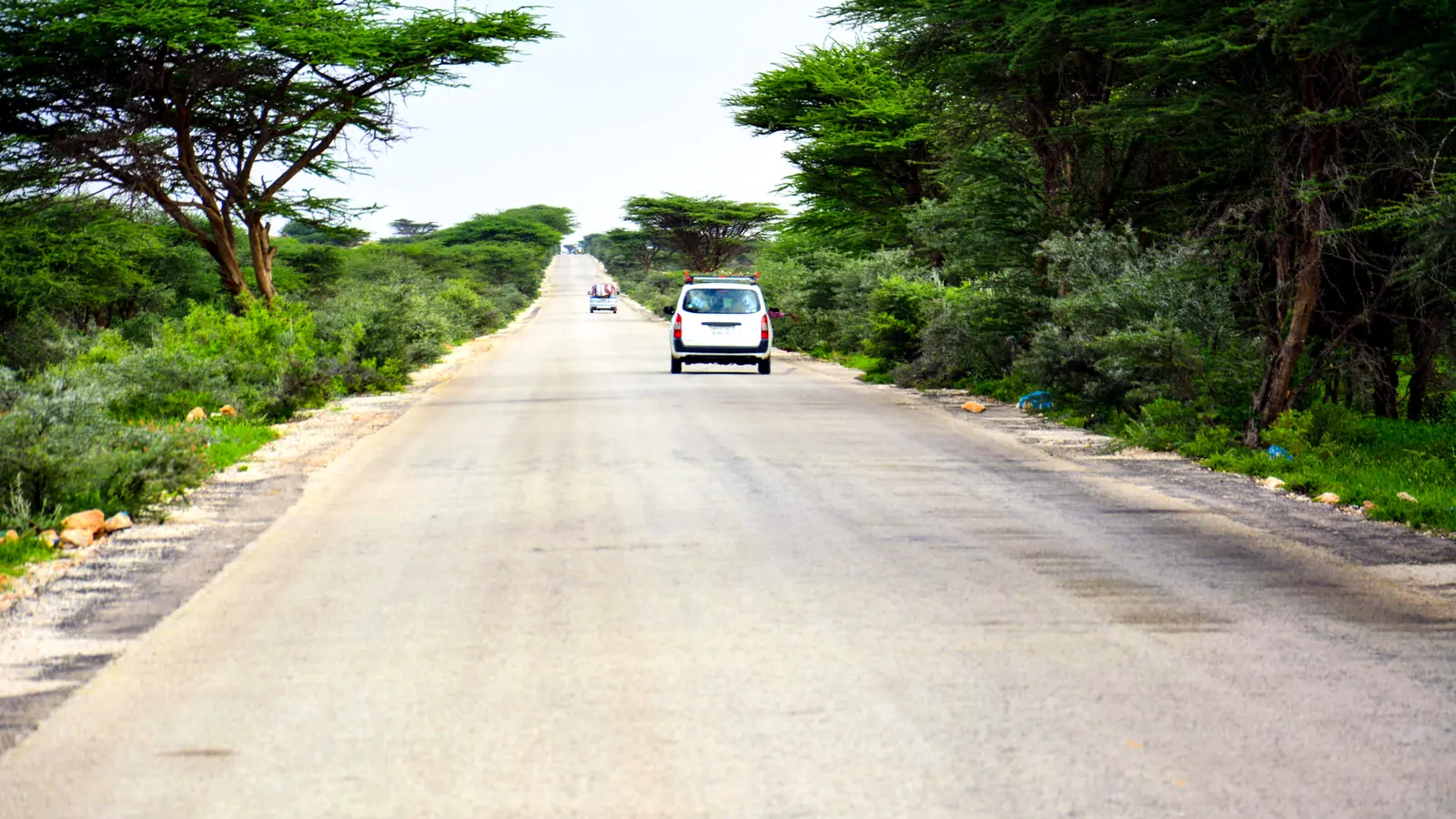
The report summarises the Garowe participants' comments: the city has become beautiful, the city had only one tarmac road and now has many, and connectivity and security have improved. One participant credits the Argo outfall with preventing flooding, another says the roads saved the city from recent El Nino floods, and another reports that the project led to an increase in the value of their properties. A wheelchair user says the route to Jilbab is now comfortable to ride. World Bank attributes these statements to participants, not to measurement.
What it means on site
For a builder, engineer or client, the useful content is the mechanism residents name. Paved roads and the Argo outfall are described as changing how stormwater moves through the city, and the El Nino flood comment links that drainage to avoided washout. Accessibility is described from a wheelchair, which points to surface condition and continuity rather than to any single structure. These are perceptions, so treat them as leads: ask the municipal engineer's office which drainage and road sections the comments refer to, and ask for the as-built drawings before relying on them.
What the source does not establish
The record is qualitative testimony. It is not a representative survey, not an independent asset valuation, and the property value comment is one participant's statement. The report gives no measurement of road length, drainage capacity or flood damage avoided, no inspection result and no construction completion date for the works discussed. The publication is dated 2024 and the consultation timing sits in the report; nothing here describes the present condition of Garowe's roads or drainage. A current site inspection, the municipality's maintenance records or the project's completion report would confirm the present state.
What to do next
Request the Garowe consultation transcript and the project's completion or progress report from the World Bank's SURP-II project office, and ask the Garowe municipal engineer's office which road and drainage sections were built under the project and when they were handed over.
Frequently asked questions
Does the report say Garowe residents were satisfied with SURP-II?
Yes. The World Bank's 2024 consultation record states that Garowe participants were generally very happy with the project and expressed satisfaction with its outcome, with comments on roads, connectivity, security, flooding and property values.
Can the Garowe comments be treated as survey results?
No. The record is qualitative testimony from participants, not a representative survey, and it includes no independent asset valuation.
Sources
Local reporting: this article is written for building work in Garowe and Puntland. Ground conditions, prices and rules differ between places; confirm the details for your own site.
Photo: Omar Abdulkadir, Public domain, via Wikimedia Commons
