
In brief
- A firm that has laid roof sheets does not automatically know how to close the ceiling and ventilate the roof void beneath them.
- Ask for the address of a recent roof, walk it, and look under a sheet rather than at the finish from the yard.
- You can compare bidders on roof insulation experience by checking fixings, laps, foil or board records and who will inspect the work.
Contents
Roof insulation experience in Gabiley is hard to judge because the visible work is sheet metal. A roofer can fix sheets neatly and still leave the ceiling, foil and ventilation details that control indoor heat gain to a subcontractor with no record to show. The gap sits between roofing skill and ceiling or insulation skill, and it shows up after handover.
Where does the experience gap open up?
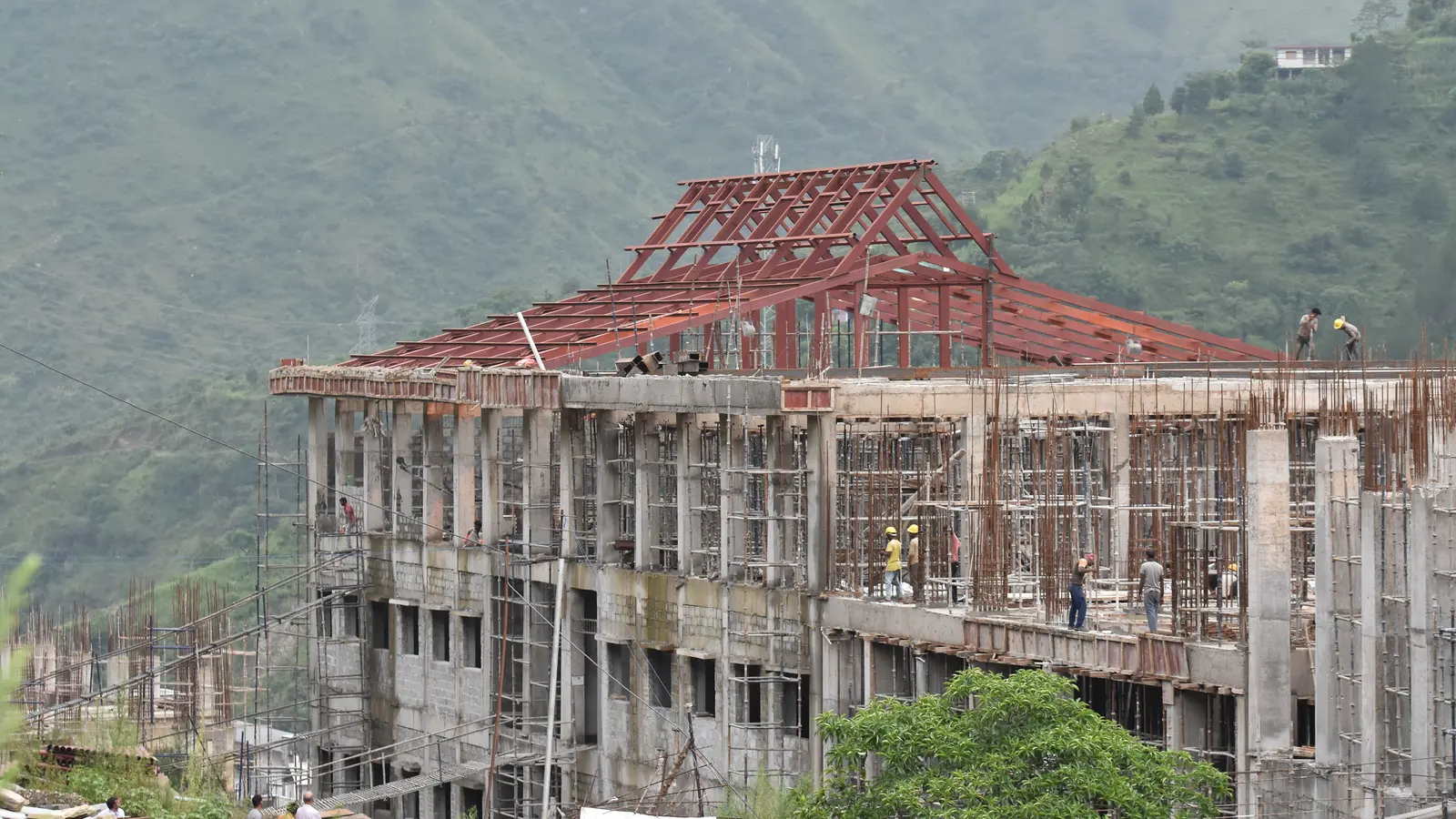
It opens when the roof package splits into sheets and structure on one side, and substrate, foil, board and ventilation on the other. Iron sheet supply and fixing is a long-established trade; lining a ceiling, laying reflective foil over purlins and keeping a roof void able to shed hot air are separate skills. A firm may bid for the whole roof because it can lay sheets, then hand the insulating layer to whoever is available. In a hot inland climate, the underside of a bare sheet radiates down into the room, so an incomplete ceiling assembly leaves the occupants with the heat the client meant to stop. Before you shortlist anyone, ask the municipal engineer's office what it holds for the plot, and whether it has records or drawings that show how earlier roofs nearby were built. A plot file may be thin, but it tells you what you can check yourself.
What does the gap do to the finished roof?
It leaves a roof that looks finished and performs unevenly. Typical weak points are foil laid with taped joints that open, board pushed tight against a purlin with no gap, laps facing the prevailing rain rather than shedding it, and fixings driven at the sheet edge. Each fault is small at the time and each one lets water or heat past the layer it was meant to stop. Ask a roofer to show how foil joints at a ridge and at a valley are sealed, and how the void under the sheet moves air out. General good practice is to run laps with the rain, keep fixings back from sheet edges, and keep a clear air path from eaves to ridge, but confirm the exact laps, spacings and details against the project specification or the engineer's drawing. If no drawing covers a detail, that missing detail is the risk.
How do you detect a thin record before you sign?
You test the record, not the sales talk. Ask each bidder for the address of a roof completed in the last year, the covering used, and the name of the person who laid the foil or board. Then walk that roof with the client and look at the underside, the ridge detail and any valley. Ask who inspected the work during the job and who signed it off, and whether the same crew that fixed the sheets laid the ceiling layer or a different one. Ask for the fixing schedule and any foil or board delivery records. If a bidder cannot name a roof or a person, the bid is unpriced risk. Underbidding follows, because a firm with no insulation record cannot price a detail it has never built. Check what your contract allows before you decide how to weigh a bid that depends on this gap.
What to do next
Pick the two roofs you can visit this week, call both clients, and walk each one with a torch before the ceiling goes up. Write down what you see at the ridge and the eaves, who laid the foil, and who inspected it. Then put those questions, and the roof addresses, into your tender enquiry so every bidder answers on the same sheet.
Frequently asked questions
Does a good sheet metal roofer need insulation experience?
Not for the sheets, but the ceiling layer, foil joints and roof void ventilation decide how much heat reaches the room. Ask who will build those parts and see their past work.
What is the most useful record to ask a bidder for?
The address of a recent roof and the name of the person who installed the insulating layer. A walk on that roof tells you more than any certificate.
Can a supervisor check insulation before the ceiling closes?
Yes. Ask for a look-up inspection of foil laps, fixings and the eaves to ridge air path before the ceiling is fixed, and confirm the details against the specification.
Local reporting: this article is written for building work in Gabiley and Somaliland. Ground conditions, prices and rules differ between places; confirm the details for your own site.