
In brief
- A logistics claim on paper does not prove a team can keep labour, water and materials reaching the work face.
- Ask for dated records of access, plant and delivery routes before award, then walk a recent site.
- Write access duties and evidence into the contract so blocked work access is a recorded event, not a surprise.
Contents
A site logistics claim on paper does not prove a team can keep the work face supplied. A bid can look complete while the plan behind it stays untested. Site logistics competency risks in Berbera often come down to this gap between what a contractor says and what the same team has actually delivered. The question is how to test that gap before money and programme are committed.
What does site logistics cover in a Berbera build?
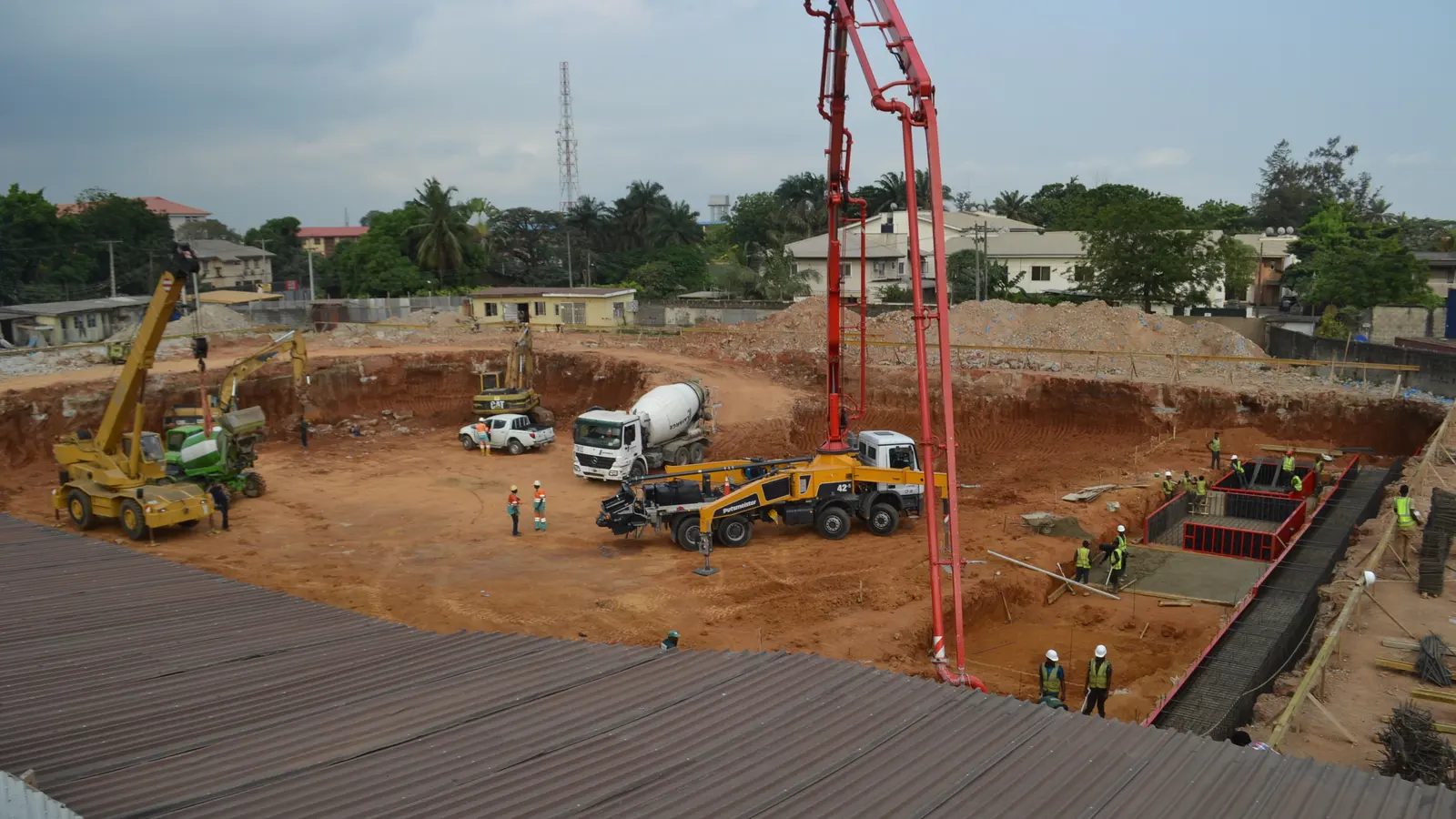
Site logistics is the movement and storage of people, plant, water and materials between the gate and the work face. That covers haul routes through town, laydown and storage areas, plant and fuel, water for mixing and curing, and the sequence that keeps trades from blocking each other. Coastal and hot-climate conditions can affect how fast unprotected steel and stored cement deteriorate, and how much dust and heat control the work needs, so confirm exposure and storage requirements for the site's own conditions with your project specification or engineer. Ask the municipal engineer's office which roads near the plot carry heavy vehicles and whether any weight or timing limits apply. General practice suggests checking whether the plan names who controls the gate, who signs for deliveries and who clears the work face.
What evidence should a client ask for?
Ask for records a previous site produced, not a list of promises. Useful evidence includes delivery notes and gate logs from a recent job, plant ownership or hire papers, water source agreements, a labour mobilisation plan with names and trades, and photographs of stored materials under cover. Walk a recent site the bidder claims to have supplied and look at access, stacking and how waste leaves. Site logistics Berbera claims often fail on the last hundred metres, so ask how a concrete truck reaches the pour point and where it stands while discharging. If the bidder cannot show a dated record of blocked work access and how it was cleared, treat the claim as unverified and price the risk accordingly. Check what your contract allows you to request before award.
How does unverified capability turn into blocked work access?
When the evidence is missing, the gap shows up as blocked work access, and the delay runs down the schedule. Typical mechanisms: one haul route shared with other traffic that closes without notice; storage too small, so deliveries queue outside the gate; water arriving late, so curing stops mid-slab; plant breaking down with no local spares. Each event idles labour and can force a cold joint, a rework or a rejected pour. The client sees the symptom, not the cause. Detection means watching the gate, the stock records and the daily water and material reconciliation, not just the monthly report. Ask the supervisor for a gate log and compare it with the delivery notes. Where the log and the notes disagree, the logistic plan is not being followed.
What to do next
Before award, send the shortlisted bidders one written request: a gate log, delivery notes and plant papers from a recent comparable job, plus a one-page access plan for your plot. Visit one of those sites unannounced. Score what you see against the request. Ask the municipal engineer's office about road and access constraints, then put the access duties and the evidence you expect into the contract with your engineer.
Frequently asked questions
Can a low bid still carry a sound logistics plan?
It can, but a low bid usually means leaner plant, storage or supervision. Compare the written logistics plan with the priced items, then ask which items were left out and how the work face stays supplied without them.
Who should hold the gate log on a Berbera site?
Ask what your contract says about who holds the gate log and in what format, and confirm the arrangement before work starts so the record is usable from day one.
Local reporting: this article is written for building work in Berbera and Somaliland. Ground conditions, prices and rules differ between places; confirm the details for your own site.