In brief
- Wardheer News reported on 2026-05-10 that local NGO Wardi installed a solar-powered irrigation system at Bulo-Gadud, 30 kilometres from Kismayo, with support from Jubbaland's Ministry of Agriculture.
- The system comprises 72 solar panels, water pumps and pipes, and more than 1,400 farming families are described as linked to it; the report does not identify the source of that figure or establish that those families use the water.
- Jubbaland's Ministry of Agriculture put the project cost at around $80,000; the report does not state who funded it or any disbursement record.
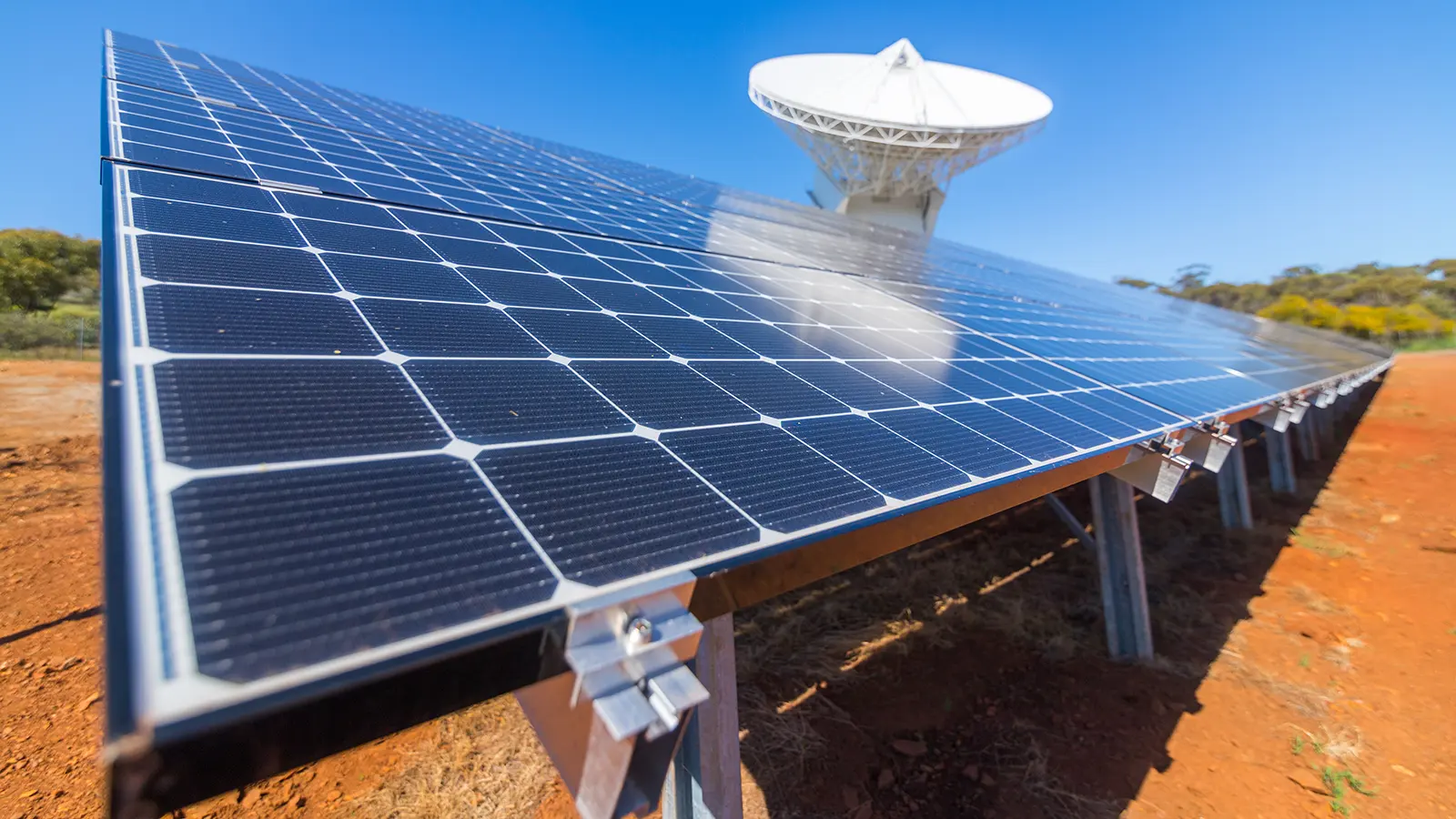
On 2026-05-10, Wardheer News (Radio Ergo) reported that a solar-powered irrigation system had been installed at Bulo-Gadud, 30 kilometres from Kismayo, supplying water from the Juba river to farms that had gone without it. The report describes the system as 72 solar panels, water pumps and pipes, installed by local NGO Wardi with support from Jubbaland's Ministry of Agriculture.
Wardheer News reports that more than 1,400 farming families in Bulo-Gadud are now "linked to" the irrigation system. The report does not identify the source of that figure, and "linked to" does not establish actual water use, the acreage served or yields.
Two named farmers' accounts
The report's harvest claims rest on two named farmers. Mahamud Abdirahman Abdullahi, 45, farms six hectares and said he made $1,500 from sales of his produce, cleared $500 of debts, supports a family of six and spent $300 on five goats. Amina Abdullahi Bule, who farms nine hectares, said she sold maize for around $1,000 and earned about $900 from peppers and $400 from tomatoes. She said she built a permanent two-room house with a kitchen and toilet for her family of 12. All of these figures are the farmers' own accounts as reported by Wardheer News; the report offers no independent verification and no price or market data.
The report describes Mahamud's farm as almost barren since 2022 because of water shortage, and states that many farmers in the area had no harvests for almost three years because of drought. It attributes the previous failure to high fuel prices and repeated breakdowns of existing water pumps, and says some farmers abandoned their farms despite being 500 metres from the river. No baseline records or sourcing are given for those accounts.
Official claims and cost
Bulo-Gadud chairman Mohamed Abdullahi Omar is quoted saying the system conserves energy so water can be supplied in cloudy weather, that farmers who previously brought fuel and repaired engines are now told simply to irrigate, and that the change has encouraged people who had lost interest in farming to return to their land. These are the chairman's claims; the report gives no count of returning farmers, no operating log, no engineering verification of cloudy-weather supply, and no pump or pipeline specifications.
According to Jubbaland's Ministry of Agriculture, as reported by Wardheer News, the project cost around $80,000. The report does not state who funded it, what the nature of the ministry's "support" was, or any disbursement. There is no tender notice, contract or completion record for the system in the report.
What happens next
Wardheer News also reports that the increased harvests have generated casual jobs and improved trade in food and vegetables. No job numbers, wage levels or market data are given.
Frequently asked questions
Who installed the solar irrigation system in Bulo-Gadud?
Wardheer News reported on 2026-05-10 that local NGO Wardi installed the system with support from Jubbaland's Ministry of Agriculture. The nature and value of that support are not stated, and no implementing partner agreement is cited.
What is the cost of the solar irrigation project?
Jubbaland's Ministry of Agriculture put the cost at around $80,000, as reported by Wardheer News. The report does not state who funded it or any disbursement record, and the figure is a rounded project cost, not a verified expenditure.
How many farmers are benefiting from the system?
Wardheer News reports that more than 1,400 farming families in Bulo-Gadud are "linked to" the irrigation system, without identifying the source of that figure. The report does not establish that all of those families use the water or have harvested.
Sources
Photo: European Space Agency, CC BY-SA 3.0 igo, via Wikimedia Commons
