In brief
- Cement is not ruined by heat; it is ruined by moisture, and coastal Berbera air carries far more of it than Hargeisa or Burao.
- A sealed, off-the-floor stack in a dry room keeps bagged cement workable for up to a few months inland and for less time on the coast; test stock before structural use.
- A hand squeeze and a small mortar cube are informal checks that tell you more than the print date on the bag; structural stock still needs laboratory testing.
- Buying in small, frequent lots usually costs less than buying cheap in bulk and throwing away hardened bags.
Contents
- What actually makes bagged cement go hard in Somaliland?
- Where should you stack cement in Hargeisa, Berbera or Burao?
- How long can you keep cement before it loses strength?
- How do you test cement that has been sitting for months?
- How should you buy cement to cut storage losses?
- What does this mean for a Berbera or coastal site?
- What to do next
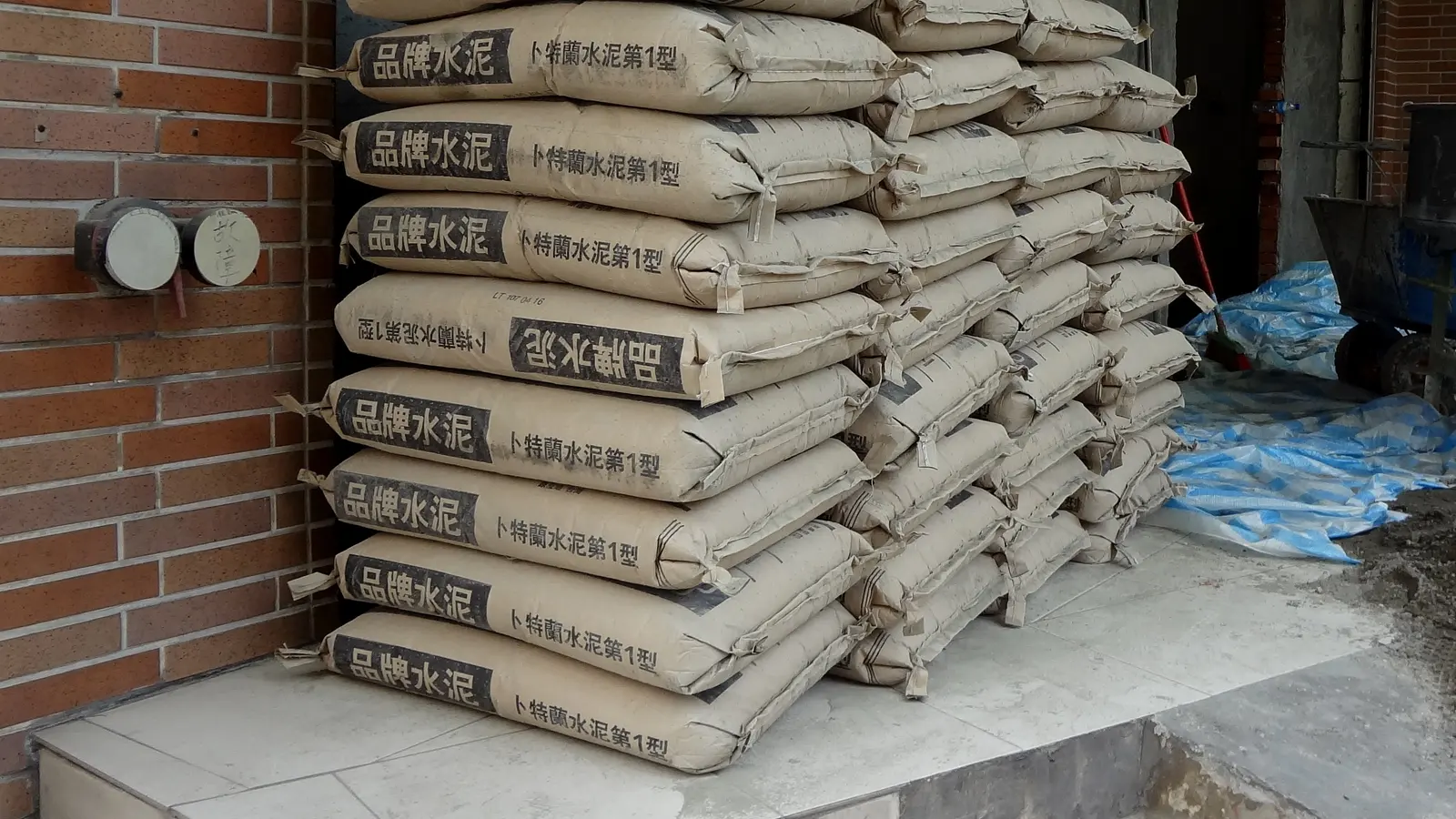
Cement going hard in the bag is moisture, not heat. Ordinary Portland cement reacts with water vapour in the air and slowly hydrates inside the paper, so a bag left in a Berbera warehouse near the sea can set into a solid block within a few weeks, while the same bag in a closed store room in Hargeisa can stay workable for two to three months. You slow that reaction with four moves: keep the stack off the floor, wrap it against humid air, rotate stock so old bags leave first, and buy in lots small enough to use before the material ages out.
What actually makes bagged cement go hard in Somaliland?
Water vapour is the cause. The paper sacks sold in Somaliland markets breathe, and every gram of moisture the cement absorbs is a gram of strength consumed in the bag rather than in your slab.
Three local conditions drive the damage:
- Coastal humidity. The air in Berbera and along the Awdal coast is humid for much of the year, and salt-laden air keeps paper damp. Inland towns such as Hargeisa, Burao and Borama swing from very dry afternoons to humid nights during the Gu and Deyr rains.
- Floor moisture. Many warehouse and compound floors are compacted soil or cracked concrete. Cement stacked straight on the ground wicks water upward through the bottom three or four bags, which is why the lowest bags in a pile are always the first to fail. A concrete slab with no damp-proof membrane passes ground moisture straight through.
- Rain season loading. Builders who buy ahead of the Gu rains in April and May to beat price rises and transport delays can leave 200 bags sitting through the wettest weeks of the year. That stock decision matters more than any storage trick.
Heat on its own does not set cement off. A bag stored at 40C in dry air keeps most of its strength. Humidity is the variable you can control.
Where should you stack cement in Hargeisa, Berbera or Burao?
Choose the driest enclosed space you have, ventilate it during the day, and keep the stack off the ground and away from outside walls.
A workable setup costs little:
- Lay a plastic sheet over the slab, then build a timber pallet or a low platform of 100 mm concrete blocks laid flat. Get the stack at least 100 mm clear of the floor.
- Leave a 300 mm gap between the stack and any outside wall. Walls facing the sea or the afternoon sun sweat and pass moisture to the bags touching them.
- Stack bags flat, no more than about 10 high for 50 kg bags, and cross the layers so the pile does not lean. High piles compact the bottom bags and split paper.
- Cover the whole pile with a tarpaulin draped over the top and down the sides, with the bottom edge held clear of the floor so air can move underneath. A tarp sealed to the ground traps moisture in.
In Berbera, add a second barrier. Put a plastic sheet between the slats and the first layer of bags, and keep a small fan or open vent running during the hottest hours. In Hargeisa and Burao the main enemy is rain ingress, so check the roof and shutter openings before the Gu rains rather than after.
Do not store cement next to salt, fertiliser, diesel or wet sand. Cement takes up moisture and odours from whatever sits beside it.
How long can you keep cement before it loses strength?
Plan on a working life of up to about three months for well-stored bagged cement inland, and less on the coast. These are planning assumptions drawn from general storage guidance for bagged cement, not measured figures for any Somaliland store; actual loss depends on your store and the season, and stock that matters structurally should be tested.
Indicative behaviour of ordinary Portland cement stored under good conditions (a general rule of thumb, not a measured local table):
| Storage period | Typical condition |
|---|---|
| Under 1 month | Bags soft, normal set time, expect full design strength |
| 1 to 3 months | Some lumps, slower set, moderate strength loss |
| 3 to 6 months | Firm lumps, noticeable strength loss, use for non-structural work only |
| Over 6 months | Often partly set; test before any use |
No manufacturer prints a Somaliland-specific shelf life, so use the storage period and the condition of the bag as your guide. The print date on imported bags tells you when the plant packed it, not how long it sat in a hot Djibouti yard or on a Berbera quay before you bought it.
How do you test cement that has been sitting for months?
Squeeze a representative bag, then cast two small mortar cubes and compare them with a cube made from fresh cement of the same class if you can get it.
A simple field sequence:
- Hand test. Open a bag and squeeze a handful. Cement should run through your fingers like flour. Soft lumps that break under light pressure mean partial hydration; hard lumps that need a hammer mean the bag is finished.
- Sieve test. Rub a kilogram through a fine sieve. A residue of hard lumps above roughly 10 percent of the sample is a warning sign.
- Cube test. Cast 50 mm mortar cubes from old and fresh cement, cure them for seven days in water, and load both on the same day. A visible strength gap tells you what the old stock is worth. These are informal site checks; they do not replace acceptance testing of cement to the standard named in your specification, carried out by a laboratory, where the concrete is structural.
- Setting time. Mix a small batch and watch how long it takes to stiffen. Cement that sets much later than the same brand did last month is losing reactivity.
If you have no way to test, do not put suspect cement into columns, beams, slabs or foundations. Use it for blinding, non-structural blockwork, screeds, kerbs or site concrete where the load path does not depend on its full strength. Mixing old cement with a richer ratio does not restore lost strength; the clinker has already reacted.
How should you buy cement to cut storage losses?
Buy in lots you can finish inside one to two months, even when bulk pricing looks attractive. Storage losses wipe out volume discounts.
Take a 200-bag order at whatever price your supplier quotes per bag. If you lose 20 percent of it to hardening, you have paid for 200 bags and placed concrete with 160, so the effective price per usable bag has risen by a quarter. Buying 100 bags twice costs a little more per bag and wastes nothing.
Practical buying rules:
- Match the order to the pour schedule, not to the price list. Bag counts should fall out of your concrete volumes, not out of a discount tier.
- Ask the supplier for the packing date and check that the bags are soft and uncreased. Torn or damp bags at the shop will only get worse in your store.
- Plan deliveries so the last bag of a lot arrives no more than two months before the final structural pour.
- For large pours, order close to the pour date and keep the surplus covered. Leftover bags become screed and blockwork stock, not next season's column concrete.
What does this mean for a Berbera or coastal site?
On the coast, cut your working stock to what you will use in about a month and keep the rest sealed at a drier inland store if you have one. Berbera's salt air also attacks the paper itself, so bags left in the open through a hot spell can go soft before the cement inside has suffered much.
For coastal sites:
- Move cement to site only days before a pour, not weeks.
- Keep the site store shaded and ventilated; a steel container in direct sun becomes an oven that drives moisture cycling inside the bags.
- Bring cement from Hargeisa or Burao stores if you can plan far enough ahead, and avoid holding coastal stock through the most humid months.
- Inspect bags for salt-stained or damp paper before mixing. Damp paper is the earliest visible sign that the cement inside is taking on water.
In Borama and Erigavo the altitude keeps nights cooler but the Deyr rains still push humidity up for weeks. The same rules apply with attention to roof leaks and ground water through the store floor.
What to do next
Open your store today and check the bottom layer of every cement stack. If bags there are firm or lumpy, separate them from the good stock, mark the pallet with the delivery month, and decide in writing which pours they are allowed into: screed and blinding only, never structural concrete. Then order a plastic sheet and enough timber or block to lift all remaining stacks 100 mm off the floor, and set a rule that no new cement order arrives more than eight weeks before the pour that will consume it. If you are building in Berbera, cut that to four weeks. Log the delivery date on every pallet from now on, so the next inspection takes minutes instead of an afternoon.
Frequently asked questions
Can I still use cement with lumps in it?
Soft lumps that crumble under finger pressure can be broken up and used, but only for non-structural work such as screeds, blockwork or blinding. Hard lumps mean the cement has already hydrated and should be discarded. Never place lumpy cement into columns, beams or foundations.
Does keeping cement in a very hot store damage it?
Heat alone does not set cement, so a hot but dry store is far better than a cool damp one. Problems come when heat combines with humidity, or when a steel container swings between hot days and humid nights and drives moisture into the bags. Shade the store and keep air moving.
How much cement should I keep on site at one time?
Match stock to your pour schedule, aiming for no more than four to eight weeks of consumption at any moment. In Berbera and other coastal towns, hold less, because humid air shortens the working life of a bag. Bulk discounts rarely cover the cost of bags that harden before you use them.
Does cement expire even if the bag stays sealed?
Yes. Paper sacks and the cement inside exchange moisture with the air, so strength falls gradually even in a closed bag. As a planning assumption, well-stored stock inland stays usable for up to a few months and coastal stock for less; test before structural use. The print date alone does not tell you the condition of the cement.
Local reporting: this article is written for building work in Hargeisa. Ground conditions, prices and rules differ between places; confirm the details for your own site.
Photo: Solomon203, CC BY-SA 4.0, via Wikimedia Commons
