
In brief
- The World Bank's results story of 10 June 2026 says nearly 700,000 people have benefited from improved urban infrastructure under SURP-II across seven cities.
- The same story reports 39 km of roads and 45 km of pedestrian walkways completed, with 51 km more under construction between 2020 and 2025.
- Garowe-specific numbers are not broken out, so the Gambol Bridge is named as an example rather than measured separately.
Contents
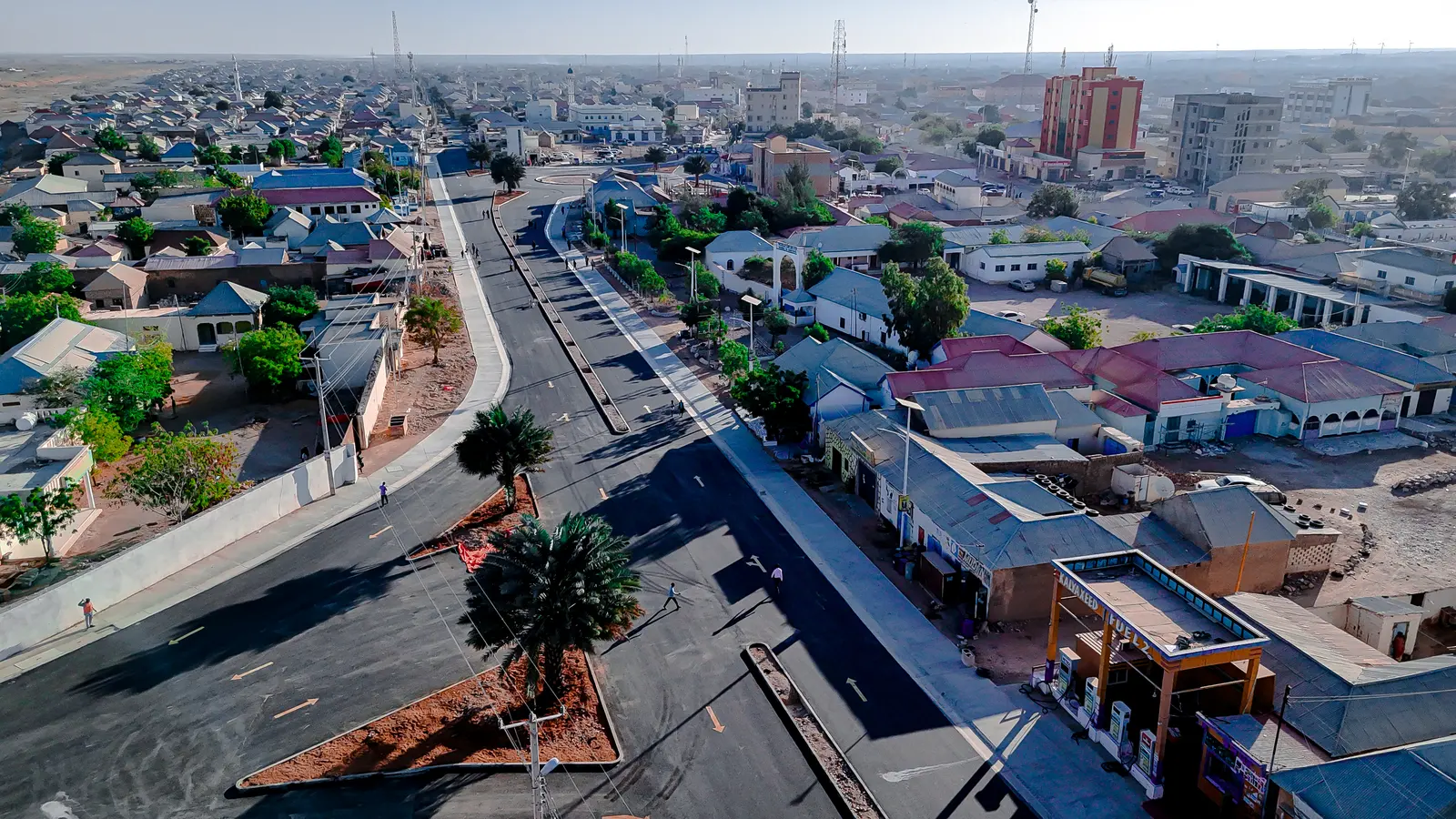
The World Bank published a results story on 10 June 2026 stating that the Somalia Urban Resilience Project Phase II (SURP-II) is helping seven cities and that nearly 700,000 people have benefited from improved access to climate-resilient urban infrastructure. The story names the Gambol Bridge in Garowe as an example of completed investment.
What the source records
The World Bank reports that between 2020 and 2025, 39 km of roads and 45 km of pedestrian walkways were completed, with 51 km more under construction. It states that over 526,000 person-days of employment went to 15,000 local workers, and that 51 percent of infrastructure beneficiaries are women. The story describes the Gambol Bridge as one of the project's most impactful results, citing safer crossings and better access to Garowe's general hospital, schools and universities. All figures and descriptions come from the World Bank results story.
What it means on site
For a contractor or municipal engineer, the useful mechanism named in the source is delivery through city governments using country systems, with capacity building in procurement, contract management, safeguards and a geospatial management information system running alongside the works. The story says the project will accelerate in all seven cities in 2026 toward a 90 km road target, and that close supervision and adaptive tools matter where flooding and supply chain disruption affect schedules. Anyone pricing Garowe work can ask the implementing city team which SURP-II packages are tendering and what supervision and reporting the contract requires.
What the source does not establish
The figures are aggregate across seven cities. Garowe-specific spending, road lengths and beneficiary counts are not broken out, so the Gambol Bridge stands as a named example, not a measured share. The 90 km road figure is a 2026 target, not a completed total. The story gives no cost, schedule or contractor information for any package, and does not state the current condition of any road, drainage line or walkway. Tenure deeds, cash assistance and shelter numbers belong to the drought response rather than construction.
What to do next
For work in Garowe, request the current procurement notices and package list from the SURP-II city implementation team and the Puntland ministry responsible for public works. Ask which lots have been awarded, which are open, and what site supervision records the contract requires.
Frequently asked questions
How many of the 700,000 beneficiaries are in Garowe?
The World Bank reports nearly 700,000 beneficiaries across seven cities and does not break the figure down by city. Ask the SURP-II city implementation team in Garowe for its own monitoring data.
Is the 90 km road figure completed work?
No. The World Bank story of 10 June 2026 presents 90 km as the 2026 target, while reporting 39 km completed and 51 km under construction as of the results period.
Sources
Local reporting: this article is written for building work in Garowe and Puntland. Ground conditions, prices and rules differ between places; confirm the details for your own site.