
In brief
- A variation is priced on records: a measured quantity, a date, a signature and a photograph taken before the work was covered.
- When one person measures, orders and prices the extra work, the client pays for quantities that were never checked.
- Ask for the variation register, the measurement sheets and the daywork sheets at each payment certificate, not at the end.
Contents
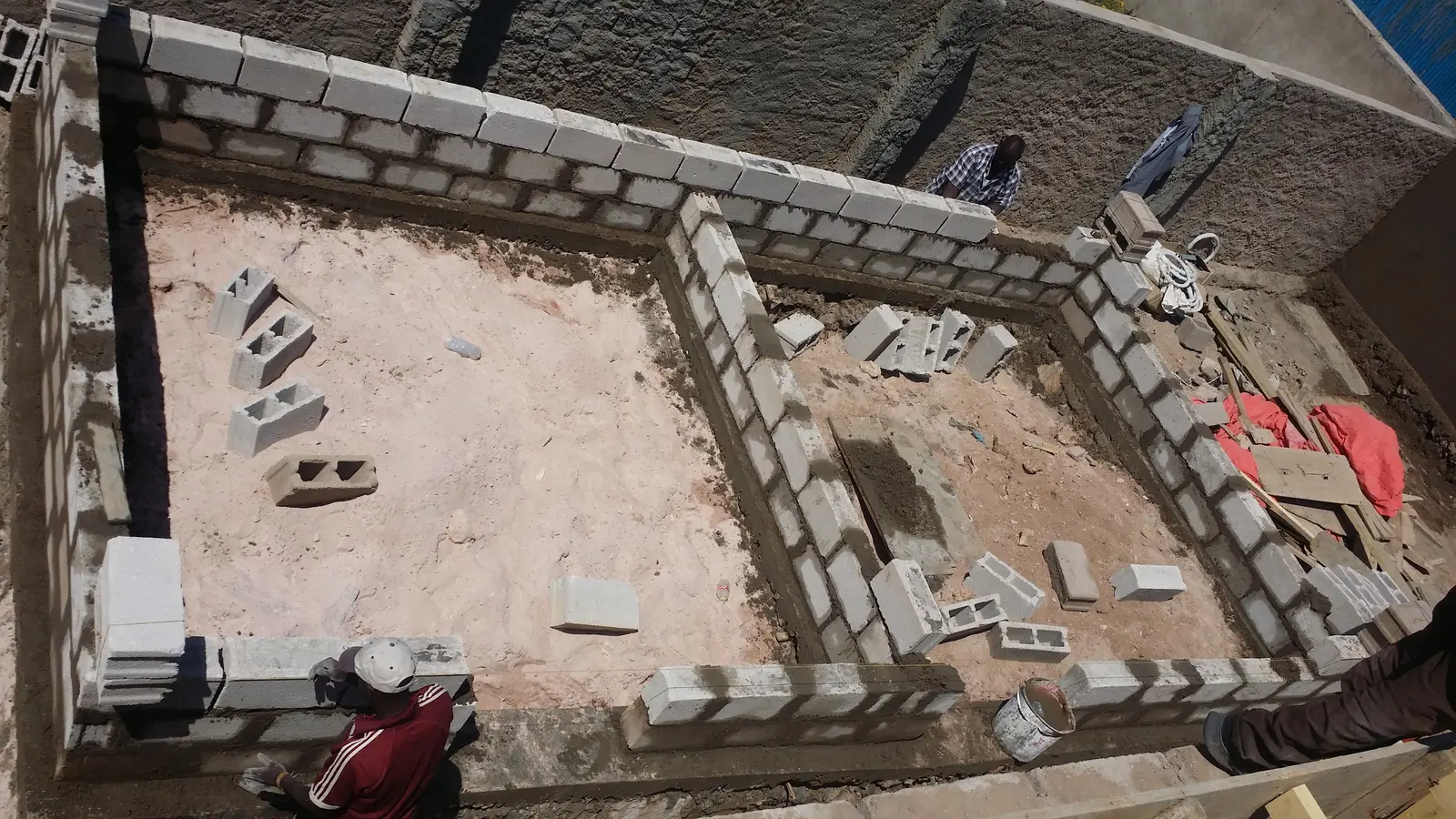
Variation pricing supervision gaps in Borama come down to one thing: the person who ordered the extra work also measured it, priced it and signed it off. When one person holds all three roles and keeps no dated record, the client pays for quantities nobody checked. The fix is a written trail made at the time, not a memory rebuilt at the final account.
Where does the variation order start to drift?
A variation starts as an instruction, and it drifts when that instruction stays verbal. An instruction given at the trench edge or on a phone call reaches the accounts as a lump sum with no quantity behind it. The supervisor who was present may have moved to another site by the time the figure is questioned.
Good practice, and confirm it against the project specification and the contract, is a numbered variation instruction issued before the work begins, with a description, a location, a date and a signature. The site keeps a variation register: one line per instruction, with date raised, date priced and date agreed. Measurements sit behind the register on signed sheets, and photographs are taken before concrete, backfill or finishes cover the work.
Ask the site office to show the register for the last three months. If the extra work exists on site but not in the register, the gap is already open.
Which extra work costs go missing first?
Extra work goes missing in the items nobody planned to measure: excavation in unexpected ground, additional backfill and compaction, dewatering, imported fill, concrete used to fill an overdig, and the labor days spent on any of them.
Daywork is the weak point. A daywork sheet records labor, plant and materials by the hour. It only holds up when it is filled in on the day, signed by the client's representative, and backed by delivery notes and plant logs. A batch of daywork sheets signed in one sitting weeks later invites argument.
For measured work, the quantity should come from a drawing or a joint measurement, not from the contractor's own total. Ask who physically measured the extra excavation and whether the client's representative stood at the tape. If nobody did, ask the client's representative and the contractor to re-measure the item jointly before it is priced, and check the claim against the contract before it reaches the payment certificate.
What does a client spot when reviewing a variation claim?
A client spots trouble by comparing the instruction, the measurement and the payment. The three should match, and each should carry a date.
Check these points on the next variation claim:
- Does the register entry predate the work, or was it written after the trench was backfilled?
- Does the measured quantity match a drawing, a joint measurement or a site photograph?
- Do the rates in the claim match the contract rates, or has a new rate appeared without agreement?
- Do the plant hours on the daywork sheet match the plant logs and the fuel or hire records?
- Do the material quantities match delivery notes countersigned at the gate?
One person should not measure, order and price the same variation. Split those roles, even informally. Ask the municipal engineer's office what records it expects to see on permitted work, and read what the contract says about how a variation is valued before the claim reaches the certificate.
What to do next
Ask the site office for the variation register, the signed measurement sheets and the daywork sheets for the current month. Walk the areas where extra work was claimed and check the photographs were taken before covering. If a record is missing, request it in writing, ask for a joint re-measurement with the client's representative, and confirm the valuation against the contract before the item is priced.
Frequently asked questions
Who should price a variation on a Borama site?
Someone who did not order or measure the work. Split the roles so the person pricing the claim works from signed measurements and daywork sheets rather than their own site totals.
What records should back an extra work claim?
A numbered instruction dated before the work, a signed measurement sheet or drawing, daywork sheets signed on the day, delivery notes and photographs taken before the work was covered.
Can a verbal instruction be priced later?
It can be priced, but the quantity is hard to prove once the work is covered. Confirm the instruction in writing on the same day and measure before backfill or concrete.
Local reporting: this article is written for building work in Borama and Somaliland. Ground conditions, prices and rules differ between places; confirm the details for your own site.