.jpg)
In brief
- A trainee learns a trade when a named mentor stands on the same site, watches the work and checks it before the pour or the closing of a wall.
- When one supervisor covers several sites, that second check disappears and the client pays to find the defect later.
- Ask who the mentor is, how many trainees they carry and which recent site they finished.
Contents
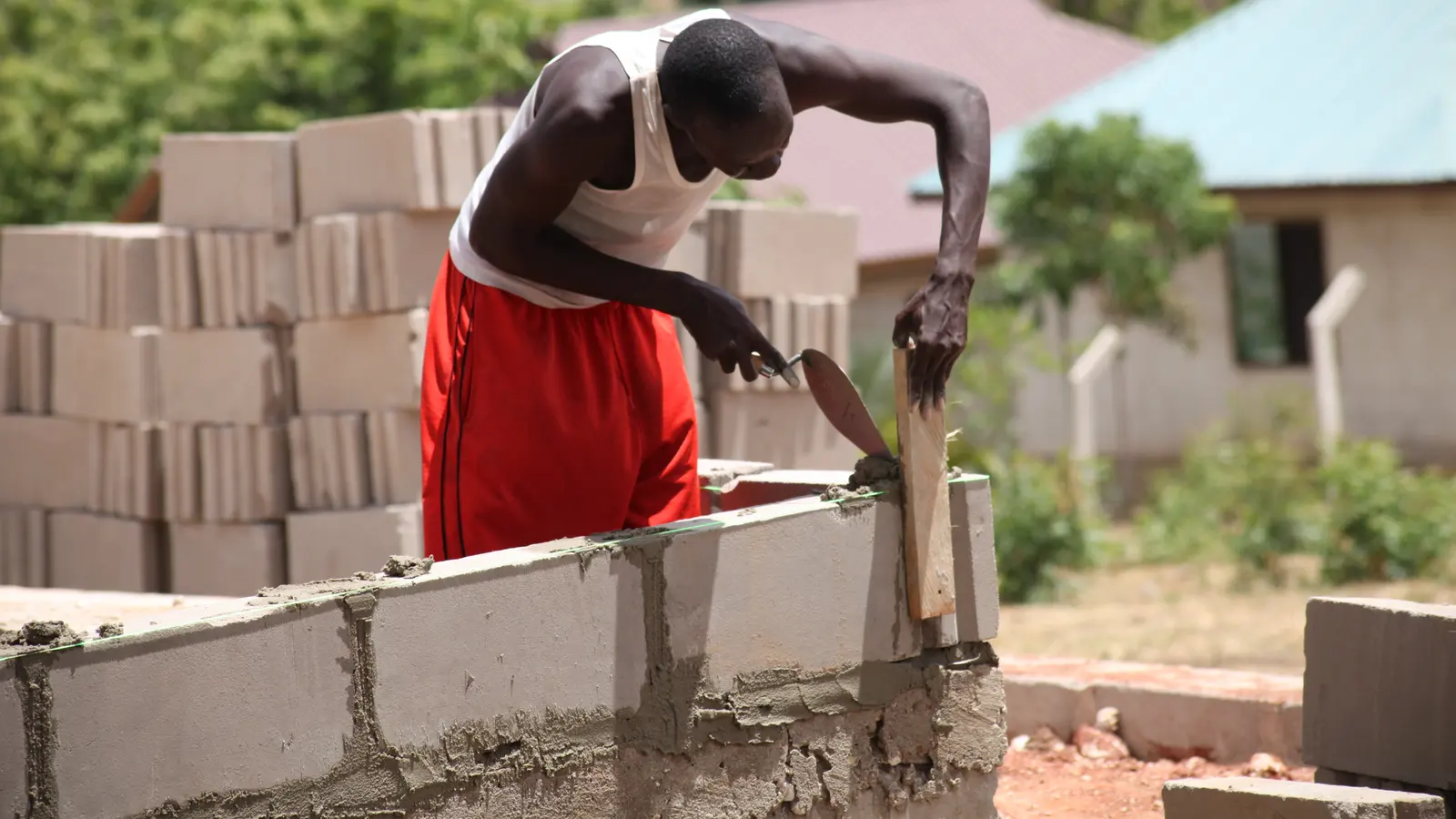
A trainee in Bosaso learns a trade when a named mentor stands on the same site, watches the work and checks it before the pour or the closing of a wall. Mentor availability experience gaps start when that person is shared across several jobs, pulled onto a tender, or simply never named in the contract. The trainee keeps working, but nobody corrects the habit before it hardens.
How does limited mentor availability create the gap?
When one supervisor covers several active sites, the trainee spends most of the day unsupervised and gets feedback only at the end of a stage. By then the steel is tied, the blockwork is up, or the screed has cured. Check the project specification and any local records for the curing and hot-weather rules that apply on your site, and confirm them with the project engineer, because a trainee who has never been corrected on curing can let a slab dry in the sun and never learn why it cracked. The mentor may also have trained on different work: a supervisor who spent years on road culverts can miss a wet area detail in a bathroom. The missing element is the second pair of eyes at the moment the work is still open, before anyone covers it. Ask the training provider to state in writing the ratio of trainees to each mentor and the number of site visits per week, and keep that statement with the contract.
What does the gap do to the finished work?
With no mentor checking, a trainee repeats the first method they were shown, right or wrong. Likely outcomes are a mortar mix judged by eye and colour, a block laid out of plumb because the line was never re-struck, or a pipe joint pushed home without the correct insertion depth. Each is cheap to fix while the work is open and expensive once covered. Confirm the plumb tolerance for your scope and whether the remedy is rebuilding or patching against the project specification and the engineer, since general practice varies and the work may have to come down before the plaster goes on. The mechanism is simple: uncorrected practice becomes the crew's standard, and the next trainee copies it.
How do you detect it before handover?
Ask for the mentor's name, the sites they supervised in the past year and the trades they actually trained, not the trades on the certificate. Then walk a recent site the same mentor finished and look at the parts the client cannot see: pipe falls, joint depths, cover to reinforcement, the line of a long wall. Request the trainee's own record of checked work, with dates and the mentor's initials against each item. Ask the training provider for a written schedule of mentor visits, then verify that schedule against the site diary and the dated checklists, and ask the provider to explain any gaps. Confirm the checkpoints against the project specification or the engineer's instructions rather than a general rule of thumb.
What to do next
Before you sign a training or supervision contract for a Bosaso site, ask the provider for the mentor's name, the number of trainees they carry and their two most recent completed sites. Ask for the mentor visit schedule in writing. If the answer is vague, write a mentor visit frequency into the contract and make each visit produce a signed checklist.
Frequently asked questions
How many trainees can one mentor supervise on a Bosaso site?
There is no fixed local figure to quote. Ask the training provider and the project engineer to agree a ratio for your scope, then put that number and the visit frequency in the contract.
What record proves a trainee was actually mentored?
A dated checklist with the mentor's initials against each checked item, plus the name of the site where the check happened. A certificate alone shows attendance.
Local reporting: this article is written for building work in Bosaso and Puntland. Ground conditions, prices and rules differ between places; confirm the details for your own site.