
In brief
- A provisional sum is a budget allowance for work that is not yet defined, so it cannot be compared between bids the way a measured item can.
- Where a site instruction, a measurement or a rate is missing, the allowance stays unverified and absorbs the argument later.
- Close the gap by asking for measurement records and site instructions before the allowance is spent, not after the final account arrives.
Contents
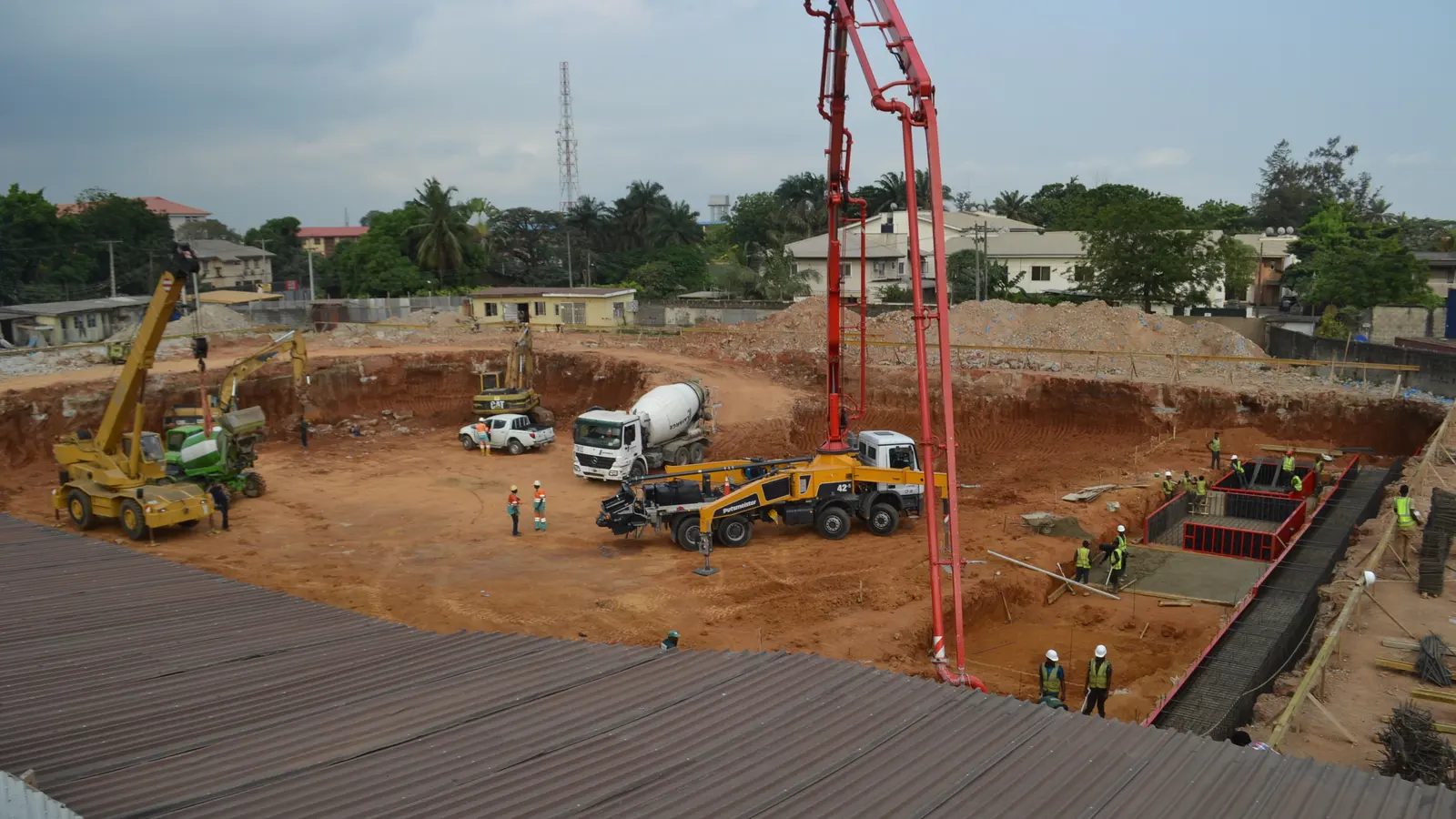
A provisional sum sets aside money for work that is not yet defined, so it carries a budget number without a measured scope. Bidders can price the same allowance differently and still look competitive. Where site records are thin, that gap can survive into construction, and nobody measures the extra excavation, backfill or material change that spends the allowance until the final account.
What does a provisional sum actually commit the contractor to?
A provisional sum is an allowance, not a promise of quantity. General practice is that tender documents describe the work in broad terms and leave the amount to be adjusted once the scope is known. That covers work that depends on what a trial pit shows, on access conditions, or on a material grade the specification has not fixed. General practice is also that the contractor carries out the work when instructed and the sum is adjusted by measurement or by a new rate agreed in the contract. Confirm with the project engineer which clause governs adjustment and what evidence the contract requires. If the contract treats the allowance as a fixed lump, the incentive to measure can disappear, so check the wording before the award.
How can an unrecorded change spend a provisional sum?
Where a site instruction, a joint measurement or an agreed rate is missing, the allowance can stay unverified. A depth change, a wider trench or a substituted fill material still happens on site. If nobody signs the instruction that ties the change to the allowance, the contractor and the client can disagree later about what was done, and the provisional sum absorbs the argument instead of the measurement. The same gap can let a low bidder win on a small allowance and recover the difference through variations that no one checked at the time. Ask the project engineer or the contract administrator named in the contract for the records the contract requires, and request the contractor's site diary and measurement sheets for the current month. Compare them against the instruction register.
How do you detect and close a supervision gap on a project?
Detection starts with a simple test: pick one provisional sum and ask for the instruction, the measurement and the rate that spent it. If any of the three is missing, the allowance is unverified. Close the gap by requiring a written site instruction before the work starts, a joint measurement signed by both sides, and a running log of what remains in each allowance. Name one person, the site supervisor or the client's representative, who signs both instruction and measurement. For material changes, ask the supplier for a delivery record that names the grade and the date. On larger allowances, request the engineer's method statement and confirm it against the project specification. Review the log at every site meeting so the remaining balance is visible while the work is still open.
What to do next
Take the contract's provisional sum schedule and mark every allowance with three columns: instructed, measured, remaining. Walk the site with the contractor and fill in the first two for work already done. Where a column is empty, issue a written instruction and book a joint measurement before the next pour or backfill. Ask the project engineer to confirm the adjustment clause you are relying on.
Frequently asked questions
Can a client just refuse to pay a provisional sum that was not measured?
That depends on what the contract allows and on the evidence held. Check the adjustment clause with the project engineer or a lawyer before withholding anything, and gather the instruction and measurement records first.
Who should sign site instructions for provisional sum work?
The contract or project specification should name the authorised person, often the client's representative or the supervising engineer. Ask before work starts, so the instruction carries authority when the final account is prepared.
How can a bidder's provisional sum be compared fairly at tender stage?
Ask each bidder to state the assumptions and rates behind the allowance in writing. The client can then compare those assumptions rather than the single figure, and carry the rate into the contract for later adjustment.
Local reporting: this article is written for building work in Qardho and Puntland. Ground conditions, prices and rules differ between places; confirm the details for your own site.