In brief
- An apprentice's work needs a named sign-off person, a written task list and a record kept on site from day one.
- The sign-off check is a physical inspection before covering, plus a short written note of what was measured and by whom.
- Confirm every acceptance limit against the project specification or engineer rather than treating any figure as a local rule.
Contents
An apprentice's work should be signed off by one named person on the site, usually the foreman or clerk of works, who inspects the task before it is covered up and records the result in the site file. Without that signature, nobody can say who passed the work or what was checked.
Who should hold the sign-off on a Puntland site?
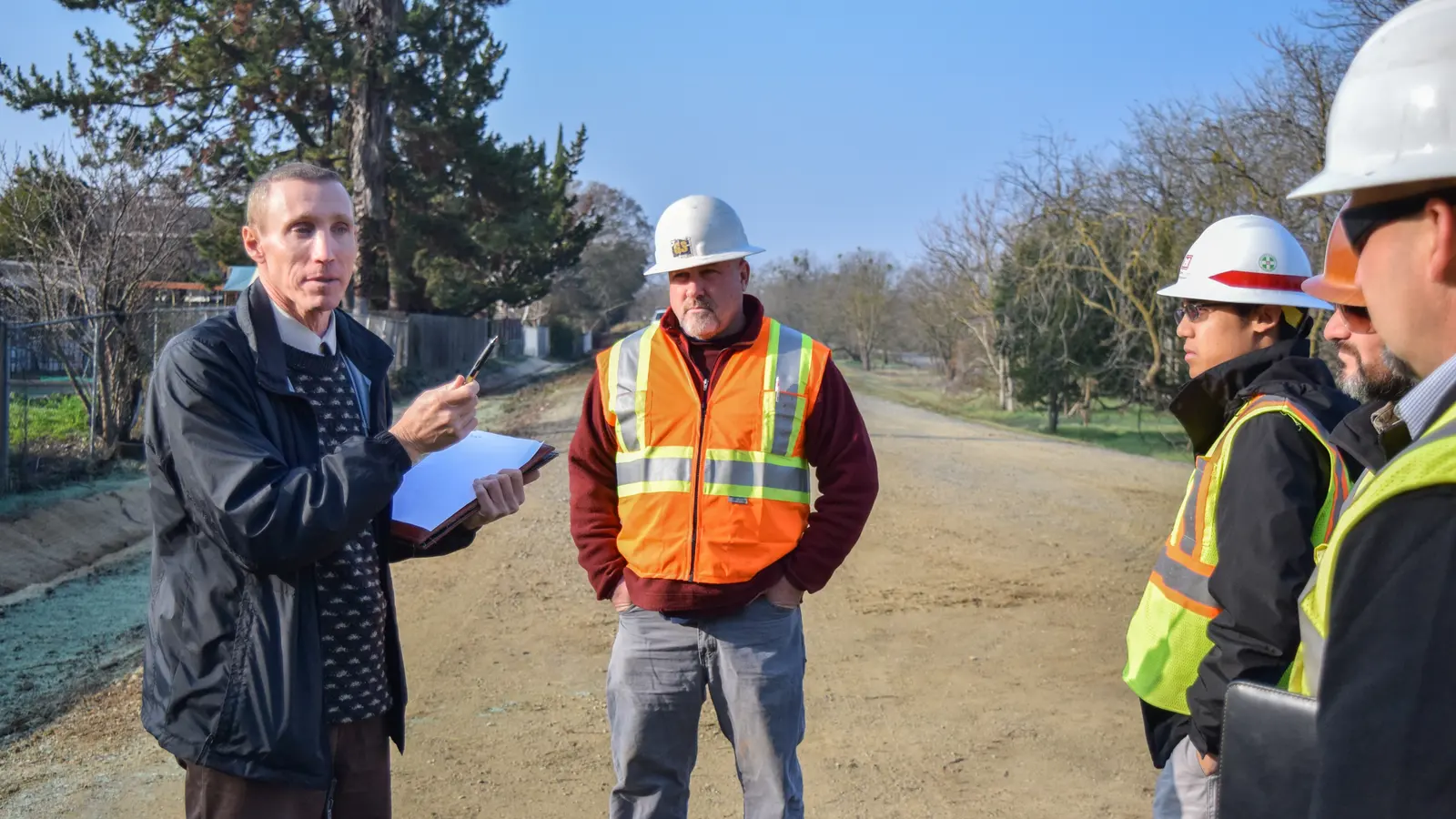
The contract should name one person with authority to accept apprentice work, and that person should be on site when the task is finished, not called in afterwards. Give the role to the foreman or clerk of works, put the name in writing, and tell the apprentice and the trades it applies to.
Naming one person stops the silent pass where a task is covered because nobody objected. The sign-off person needs three things: the drawing or task sheet for that element, a way to measure against it, and a blank line in the site file for the date, the measurement and the signature. Where the client appoints a clerk of works, agree with them which tasks need their counter-signature and which the foreman can accept alone. Put that split in the contract before work starts, and check what your contract allows if a dispute arises.
What does the sign-off check actually look like?
The sign-off is a physical inspection before covering, with the key dimensions measured and written down against the drawing. The apprentice stands with the sign-off person, shows the work, and the measurement goes into the record beside the date and both names.
Set the check points where work will be hidden: reinforcement before concrete, blockwork before rendering, and any setting out before trenches are backfilled. For each, agree the acceptance limit with the project engineer and write it on the task sheet, since general practice limits vary by element and specification. Then test the understanding, not just the result. Ask the apprentice to explain in their own words why the cover or level matters, and note whether the answer holds. If it does not, the task is not signed off yet. A short written test at the start of the job, covering reading a dimension and adding up a simple quantity, shows where teaching is needed before errors reach the wall. This is the same discipline set out in How do you check an apprenticeship is working in Puntland?.
How do you record the sign-off so it stands up later?
The sign-off belongs in the site diary and in a simple task sheet per apprentice, with the date, the element, the measurement and the name of the person who accepted it. Keep both on site and keep them current, because memory fades once the work is covered.
Write the diary entry the same day the task is inspected. List who was on site, what was checked, what was measured and who signed. Ask the apprentice to initial their own line so the record shows they saw the check. When a task fails, write what must change and set a date to re-inspect, then keep both entries. This record answers the question a client, engineer or insurer will ask months later: who accepted this work and on what basis. Pair it with How do you write a site diary that proves who supervised the work in Puntland? so the diary and the apprentice sheet tell the same story.
What to do next
Pick the next task on your site that will be covered up, name the person who will sign it off, and write the check point and acceptance limit on a task sheet today. Then brief the apprentice and the foreman together, and file the first signed sheet in the site diary.
Frequently asked questions
Can the apprentice's own trainer sign off the work?
Only if the contract names that person as the accepting authority and they are independent enough to reject the work. Otherwise keep sign-off with the foreman or clerk of works and let the trainer teach.
What if the site has no clerk of works?
The contract should still name one person with authority to accept work, usually the foreman. Agree in writing what that person can accept alone and which tasks need the engineer or client representative.
Sources
Local reporting: this article is written for building work in Puntland. Ground conditions, prices and rules differ between places; confirm the details for your own site.
Photo: U.S. Army Corps of Engineers Sacramento District, Public domain, via Wikimedia Commons
