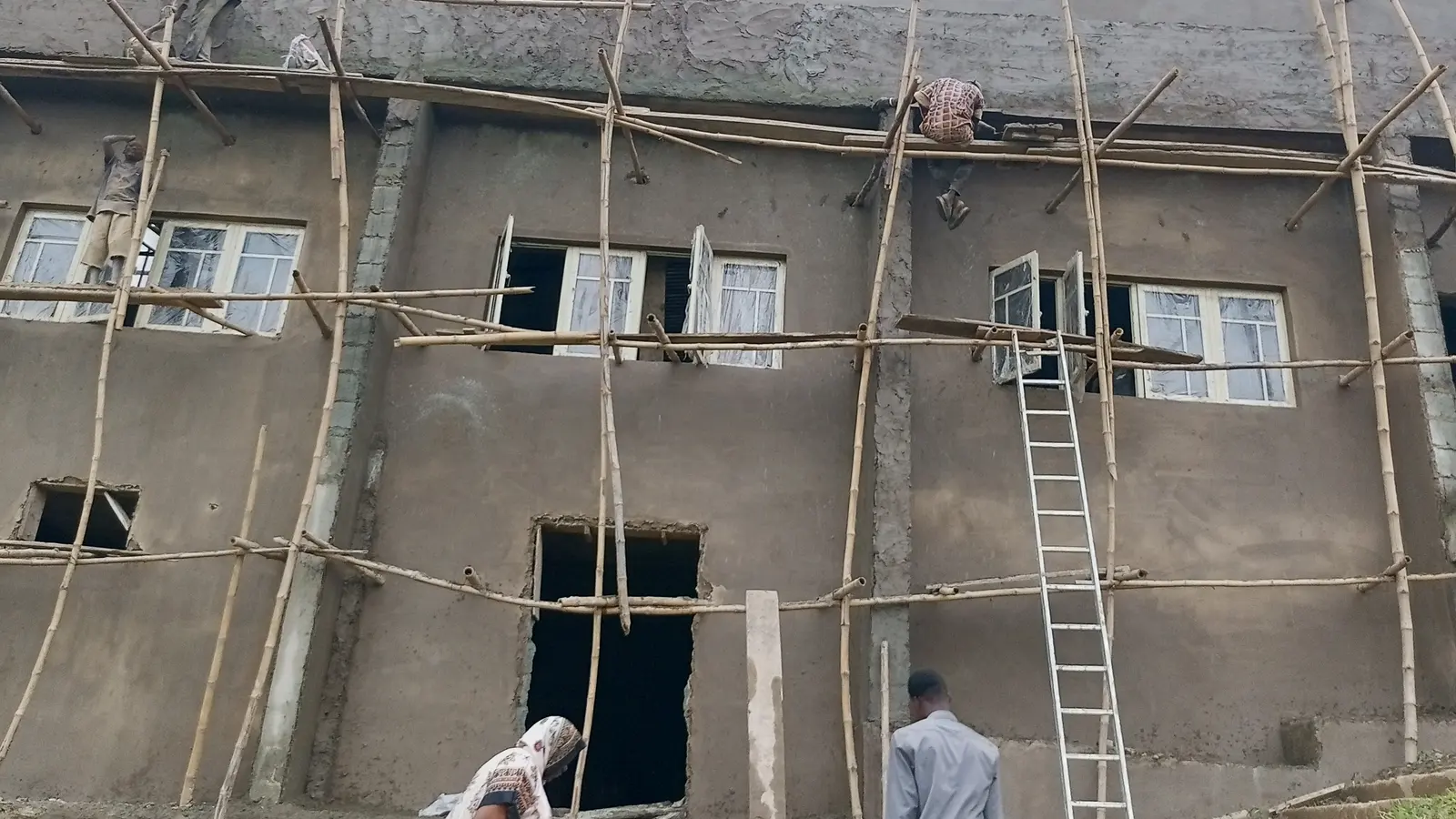

In brief
- Temporary electrics supervision gaps in Qardho show up as open boards, uncapped spare ways and cables run without protection, none of which a distant client can see.
- Ask to see the distribution board closed and locked, the RCD test record and a schedule of which socket and cable feeds which part of the site.
- Walk a recent Qardho site with the same questions before awarding the next package, and confirm all earthing and RCD requirements against the project specification and the utility.
Contents
Temporary electrics supervision gaps in Qardho are what let a working supply drift into an unsafe one: nobody on site holds the schedule of boards, cables and earthing, so an open board stays open and a cable stays on the ground until it is buried or damaged. The client sees a site that looks active and a monthly certificate that says the work is progressing.
How does the gap open in the first place?
On some sites the temporary supply is treated as site setup, not as an installed system with drawings and a test record. The electrician who wires the site can be the same person who leaves before the top structure starts, and the incoming supervisor inherits a switchboard with no labels and no test sheet. Once the person who built it has gone, the questions a supervisor needs to ask no longer have an owner.
Supervision time is usually split between the main works and the temporary works, and the temporary supply sits on the wrong side of that split. The distributor board, the earth electrode and the RCD are all working equipment, so a fault stays invisible until someone gets a shock or the supply trips. The relevant office to ask about who may connect and test a site supply is the utility, and the project specification should be clear on earthing and protection. Ask the municipal engineer's office which body inspects and certifies electrical installations in Qardho before assuming anyone does.
Typical warning signs, none of which prove a failure on their own:
- The board has no cover, no lock and no circuit schedule.
- Spare ways sit open with no blanking plate.
- Cables cross walkways, lie in standing water or pass through doorways.
- The earth electrode has no test record and no visible connection.
- The RCD has no push-button test record with a date.
How do these gaps show up as exposed electrical hazards?
An unprotected joint or an open way is an exposed electrical hazard waiting for a person, a hose or a piece of steel to find it. A board with no blanking plates and a door that will not close is the classic case: the enclosure only works when it is intact and closed. A cable run without mechanical protection gets crushed by a vehicle or cut by a trowel, and the person who finds it is often working wet.
The earthing side is where weak supervision hides longest. If no one tests the electrode, no one knows whether a fault would trip anything. If the main earth connection is loose or painted over, the protection the specification called for is not there. None of this is visible from the gate. It is visible in ten minutes with the board open and the test instrument out.
Ask for the temporary works schedule: which board feeds which area, what rating, where the earth is, and who holds the test certificates. If the schedule does not exist, the gap is not the electrician, it is the supervision that never asked for one.
What should a client or supervisor check before handover?
Before you accept a handover or pay an interim certificate, walk the site with the person responsible and ask for records, not opinions. The check takes one visit if the records exist.
- Distribution board closed, locked, labelled, with blanking plates on spare ways.
- Current RCD push-button test written on the board or in the site file.
- Earth electrode located, connection visible, test result recorded.
- Cable routes marked, protected at doorways and vehicle crossings, and off wet ground.
- A named competent person for the temporary supply, with the utility's or project engineer's confirmation of what that person may do.
Confirm every limit and protection requirement against the project's specification and engineer, not against what a previous site did. Where the contract covers temporary works, check what it allows you to require before withholding anything.
What to do next
Ask two recent Qardho sites for their temporary electrics file: board schedule, RCD test record and earth test result. If neither can produce one, put the record set into the next tender as a required submittal and walk the site with the incoming supervisor before the supply is energised.
Frequently asked questions
Who is responsible for temporary electrics on a Qardho site?
The contract normally names the party responsible, and the project specification sets the protection and earthing requirements. Ask the utility and the municipal engineer's office which body inspects and certifies electrical installations in Qardho, then confirm the duties in your own contract before the supply is energised.
What records should be kept for a temporary site supply?
At minimum a board and circuit schedule, the RCD push-button test record with dates, and the earth electrode test result. Ask the project engineer to confirm the exact record set the specification requires.
Local reporting: this article is written for building work in Qardho and Puntland. Ground conditions, prices and rules differ between places; confirm the details for your own site.